Guide
Paris in 3 days: an itinerary by mornings and afternoons, plus an optional fourth day
A 3-day Paris itinerary: Notre-Dame and the Louvre, the Eiffel Tower and Orsay, Montmartre and the Opera, plus Versailles or Giverny. With distances, prices and bookings.
In short
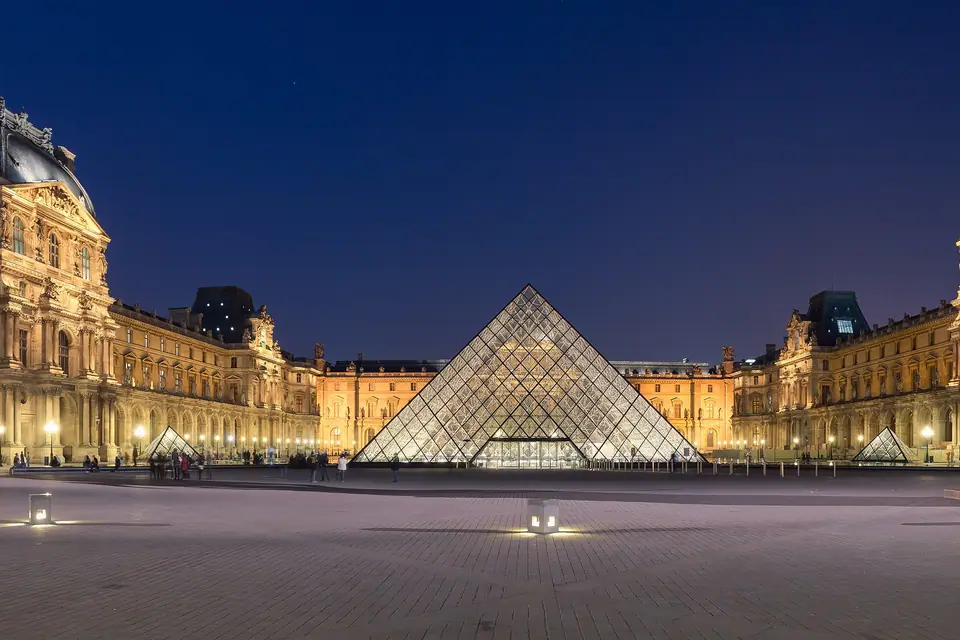
Three days are enough for the essentials if grouped by area. The first covers the Île de la Cité and the Louvre, the second the Eiffel Tower, Les Invalides and Orsay, and the third Montmartre, the Opera and the Arc de Triomphe. An optional fourth day goes to Versailles or Giverny.
A three-day Paris itinerary works if the order respects the closures: the Louvre and the Orangerie close on Tuesdays, and Orsay, the Catacombs and Versailles on Mondays. This route is designed so that the first day falls between Wednesday and Sunday and the second between Tuesday and Sunday, and the last section suggests changes for other cases.
Each day is split into morning, afternoon and evening, with distances on foot or by metro between one sight and the next. The figures come from the official sites of the Louvre, the Eiffel Tower, Notre-Dame, the Arc de Triomphe, Versailles and the Fondation Monet; where a fare changes with the season, the guide says so and points to the official site.
Ready to book
- Paris Museum Pass: access to over 50 museumsfrom €110 Book on Tiqets (opens in a new tab)
- Tootbus hop-on hop-off, 1 to 3 days (optional cruise)from €36.75 · 2 h Book on Viator (opens in a new tab)
- Notre-Dame and Île de la Cité walking tour (ExperienceFirst)from €39 · 1.5 h Book on Viator (opens in a new tab)
Part of the links are affiliate links: book through them and we may receive a commission, with no extra cost to you. About affiliate links
Before you start: base, transport and bookings
1. Where to stay and how to get around. Metro line 1 links the Louvre, the Marais, the Champs-Élysées and the Arc de Triomphe, and almost the entire itinerary combines 20 to 30 minutes on foot with metro rides of 10 to 15 minutes. Staying near lines 1, 4 or 6 saves changes. For Versailles use the RER C.
2. What to book first. Eiffel Tower (time slot, sells out), Sainte-Chapelle (slot), Orangerie or Orsay (slot recommended) and, if you do day 4, Versailles (slot compulsory). The Louvre admits visitors without a time, but booking is always advisable; from 19 December 2026 to 4 January 2027 it is compulsory. Notre-Dame accepts an optional free booking.
3. Closures that shape the order. The Louvre and the Orangerie close on Tuesdays, and Orsay, the Catacombs and Versailles on Mondays. The itinerary below allows for this: day 1 works Wednesday to Sunday and day 2 works Tuesday to Sunday. If the trip falls on a Monday or Tuesday, the final section suggests swaps.
4. Passes and savings. The Paris Museum Pass gives access to more than 50 museums and monuments, but count the tickets you will actually use. The hop-on hop-off bus of 24 to 72 hours works for a first overview and runs from the Champs-Élysées.
Paris Museum Pass: access to over 50 museums
Multi-day pass with entry to over 50 museums and monuments in and around Paris, excluding temporary exhibitions.
Tootbus hop-on hop-off, 1 to 3 days (optional cruise)
A 1, 2 or 3-day ticket on an open-top bus, with audio guides for adults and children and an optional cruise.
Day 1: Île de la Cité, the Louvre and the Seine
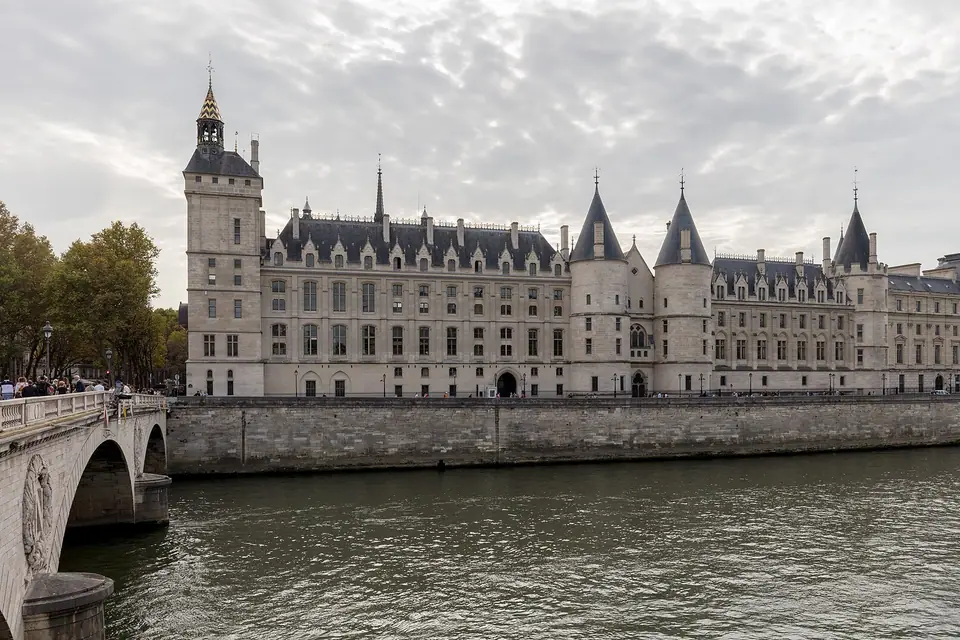
Morning (9 am to 1 pm). Start at Notre-Dame, Cité metro (line 4). With a free reservation you enter in under an hour; without one, in high season the wait can be 2 to 3 hours. The towers cost €16 and involve 424 steps; it is best to book a time slot on their website. 400 m on foot away, the Sainte-Chapelle (time slot; 22 EUR) takes 45 minutes to 1 hour, and the Conciergerie next door 1 hour.
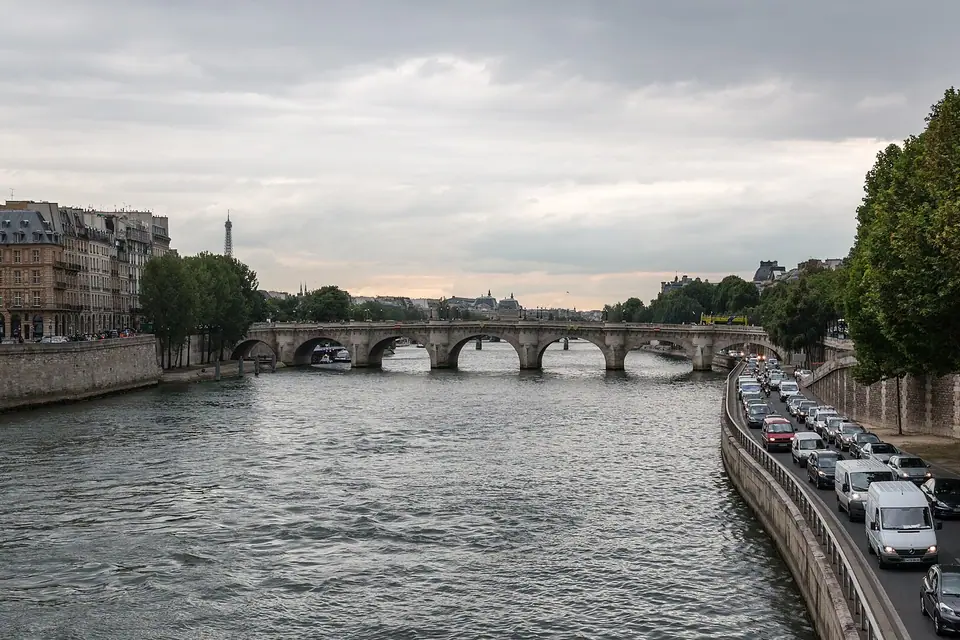
Midday. From the Pont-Neuf to the Louvre it is 1.2 km (15 minutes) along the Seine. For lunch, the stalls and bistros around the Palais-Royal are halfway.
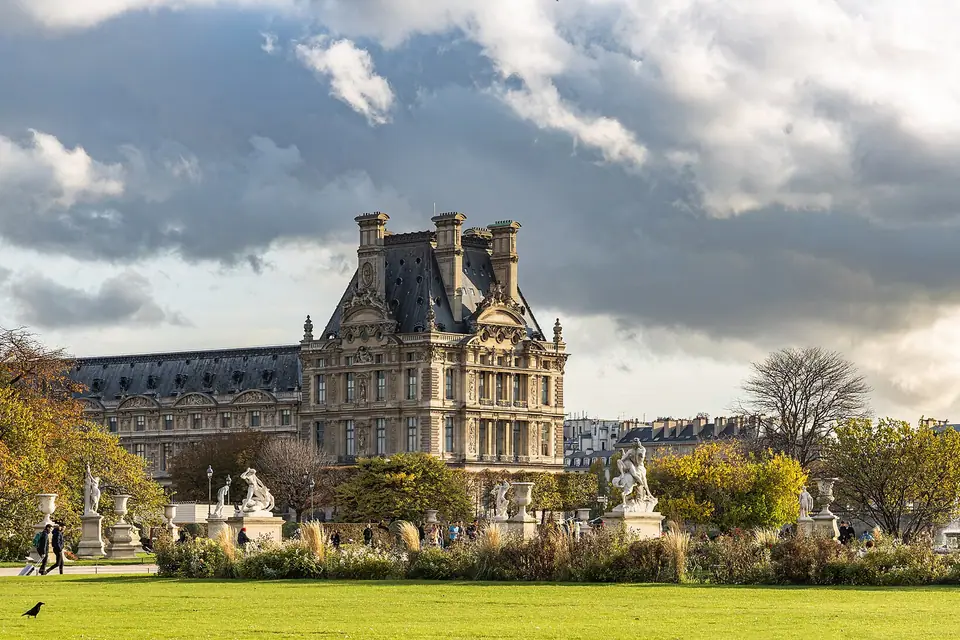
Afternoon (2 pm to 6 pm). Louvre. General admission 22 EUR (EEA) or 32 EUR (others), free for under-18s and EEA residents under 26. It opens until 6 pm (Wednesdays and Fridays until 9 pm) and is closed on Tuesdays. Three hours are enough to see the Mona Lisa, the Winged Victory and the Venus de Milo. A 2 hour 30 minute guided route to the masterpieces saves orientation time. If energy runs out, the Orangerie (12.50 EUR, closed Tuesdays) takes only 1 hour and sits at the far end of the Tuileries, 1 km away.
Evening. A one-hour Seine cruise (about 17 to 18 EUR) from the Pont-Neuf closes the day; dinner cruises cost about 125 EUR and last 2 hours 30 minutes. From the Orangerie it is 1.3 km to the Pont-Neuf, on foot or by metro to Pont Neuf (line 7).
Notre-Dame and Île de la Cité walking tour (ExperienceFirst)
A 90-minute walk around the Île de la Cité, with an option to enter Notre-Dame with a guide.
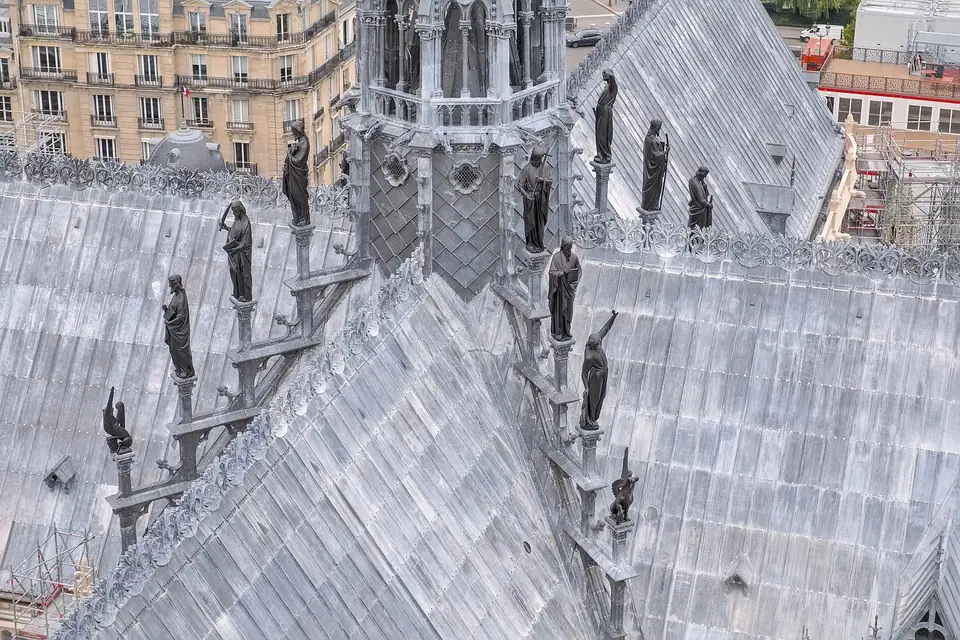
Notre-Dame towers: admission ticket
Climb up the Notre-Dame towers with views of the gargoyles and Paris, by time-slot booking only.
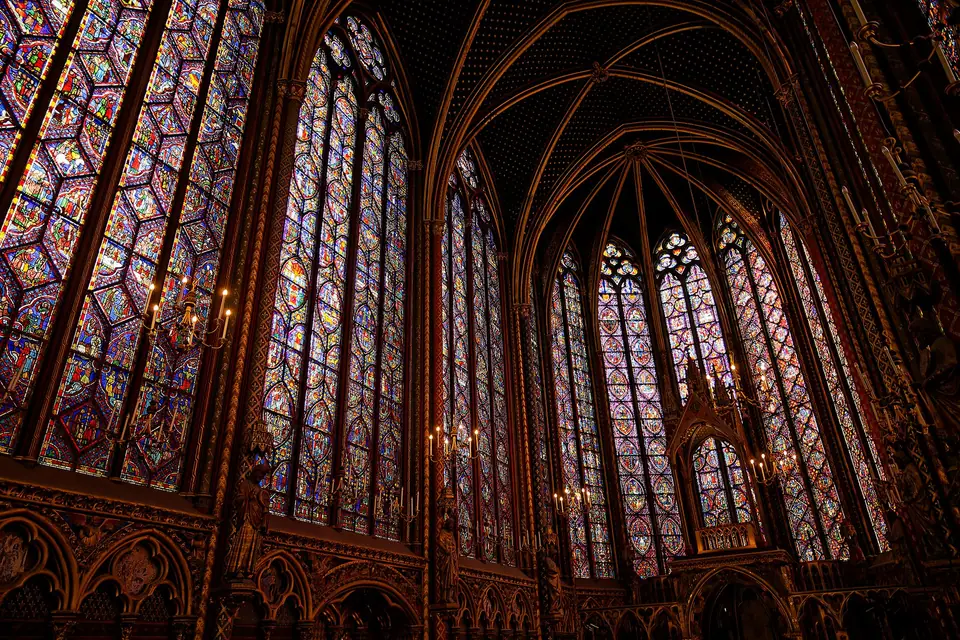
Sainte-Chapelle and Conciergerie: combined ticket
One ticket for the stained-glass chapel and the former royal prison, a few metres apart.
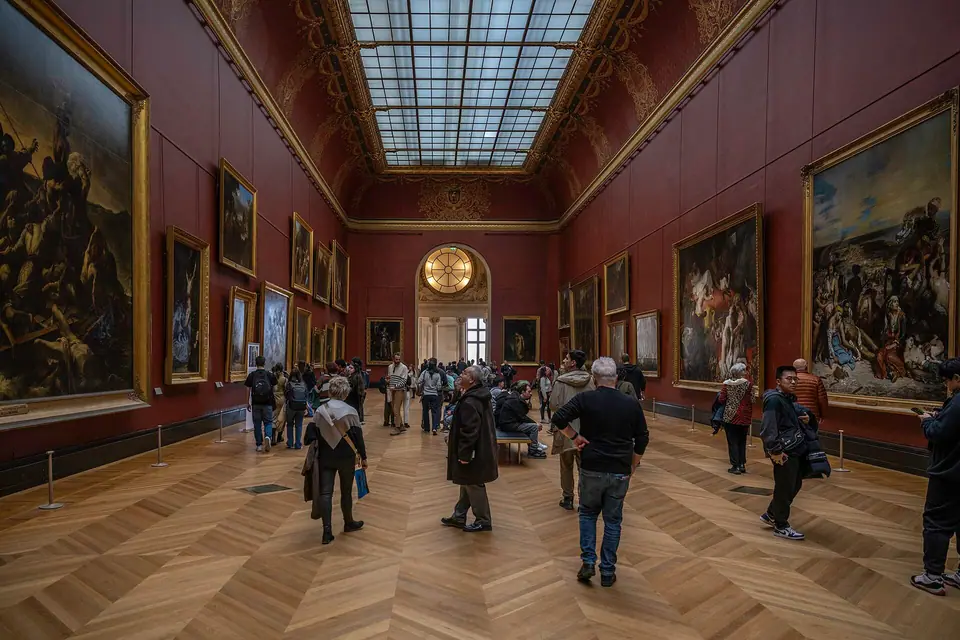
Louvre Museum: general admission
Louvre ticket with a time slot, at 22 EUR for EEA visitors and 32 EUR for everyone else.
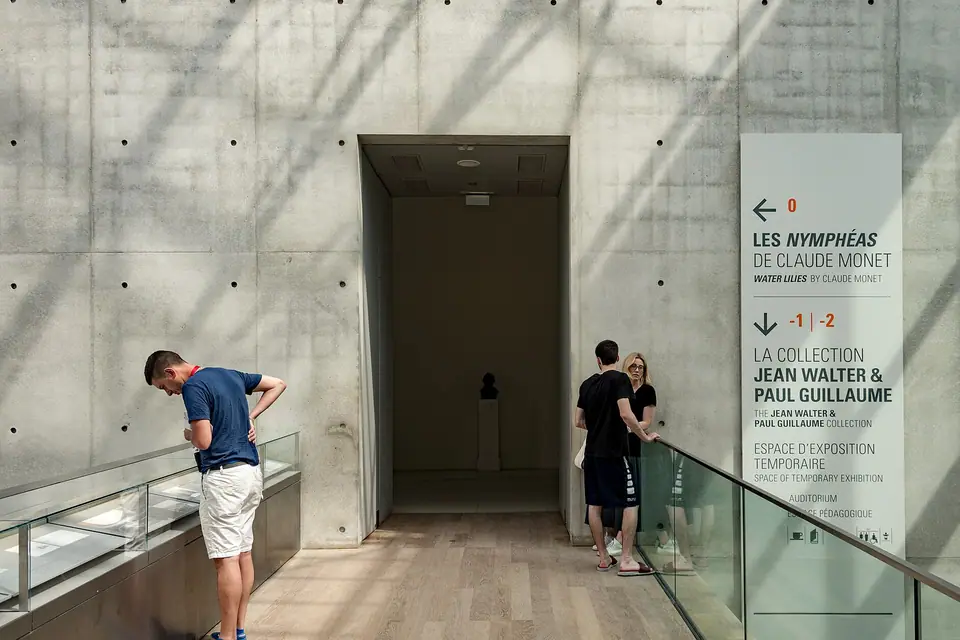
Musée de l'Orangerie: admission ticket
Ticket to the museum of Monet's Water Lilies beside the Tuileries Garden, with a time slot.
Guided Seine cruise by Vedettes du Pont Neuf
One-hour cruise with a live guide in English and French from the Pont Neuf, on a smaller boat with an open-air terrace.
Day 2: Eiffel Tower, Les Invalides, Orsay and Saint-Germain
Morning (9 am to 1 pm). Eiffel Tower in the first slot available; Bir-Hakeim metro (line 6) or Trocadéro. The lift to the second floor costs about 23.50 EUR and to the summit 36.70 EUR according to the official table (the exact price is shown when you buy). Under-4s enter free with a 0 EUR booking. Allow 1 hour 30 minutes to 3 hours. For the stairs there is a 2-hour guided visit.
Midday. From the tower to Les Invalides is 1.8 km, 25 minutes on foot or by metro (line 8 from École Militaire, about 10 minutes from the tower). The Army Museum and Napoleon's tomb cost 17 EUR (2 to 4 hours); the Rodin Museum 15 EUR (1 to 2 hours), with a combined ticket at 26 EUR. There is no need to see both: pick one if the day runs long.
Afternoon (2.30 pm to 6 pm). Orsay, 1.4 km from Les Invalides along the Seine (20 minutes on foot). It is closed on Mondays and open 9.30 am to 6 pm; Thursdays until 9.45 pm. Admission is around 14 to 16 EUR depending on channel; free for under-18s. Book a slot. In 2 to 3 hours you see the Impressionists and the clock hall. After that, Saint-Germain-des-Prés is 10 minutes' walk, with cafés and bookshops.
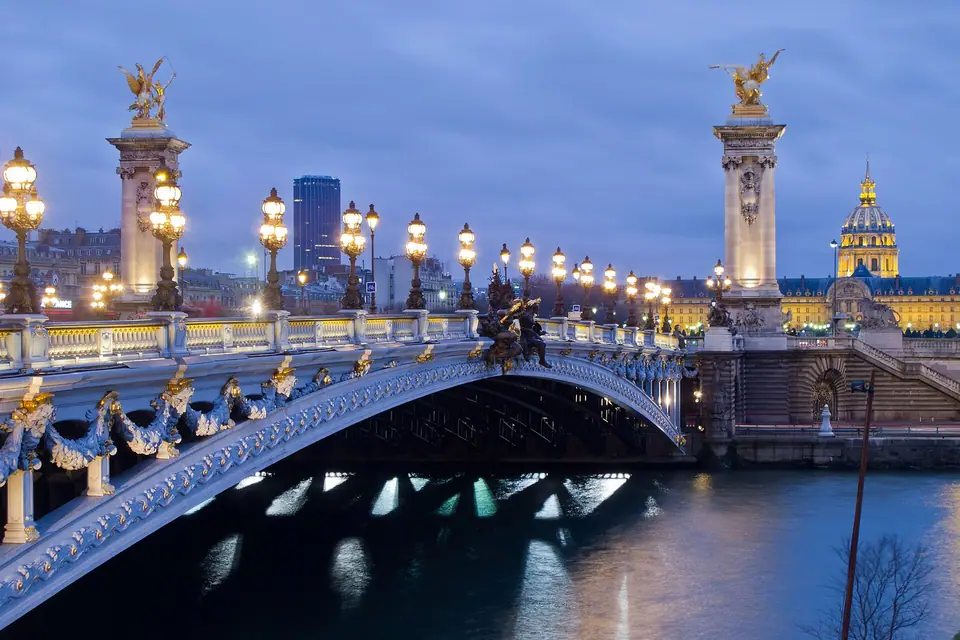
Evening. If energy remains, the tower lights up every hour after sunset and a 2-hour night segway route (about 79 EUR) circles it. A quieter option is the 3-hour food and wine route through Saint-Germain.
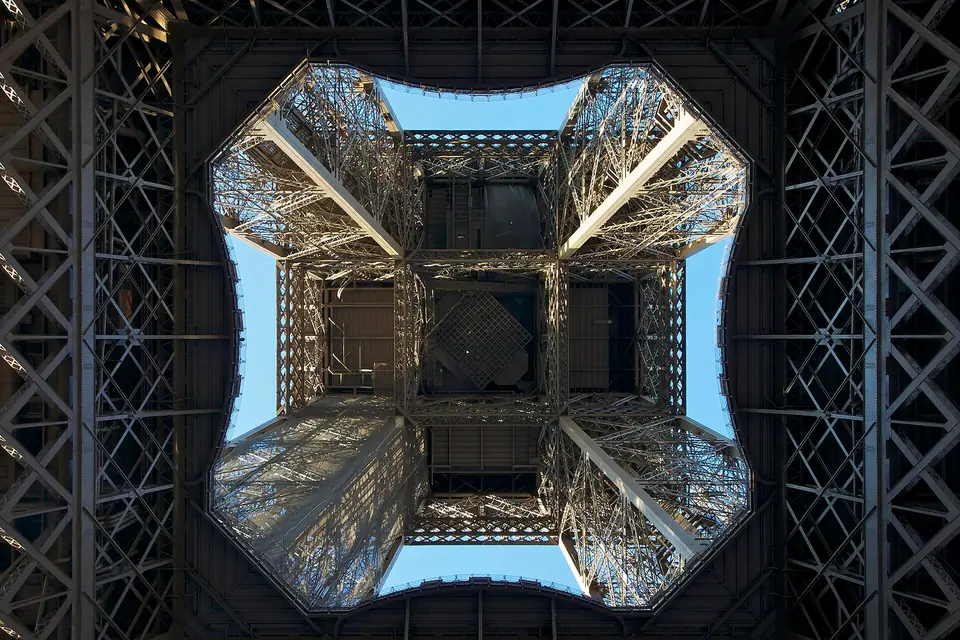
Eiffel Tower: tickets to the second floor and summit
Official Eiffel Tower ticket by lift or stairs, with a choice of second floor or summit and a time slot.
Eiffel Tower: guided stair climb with reserved access
Two hours with a host climbing the 674 steps to the second floor with reserved access.
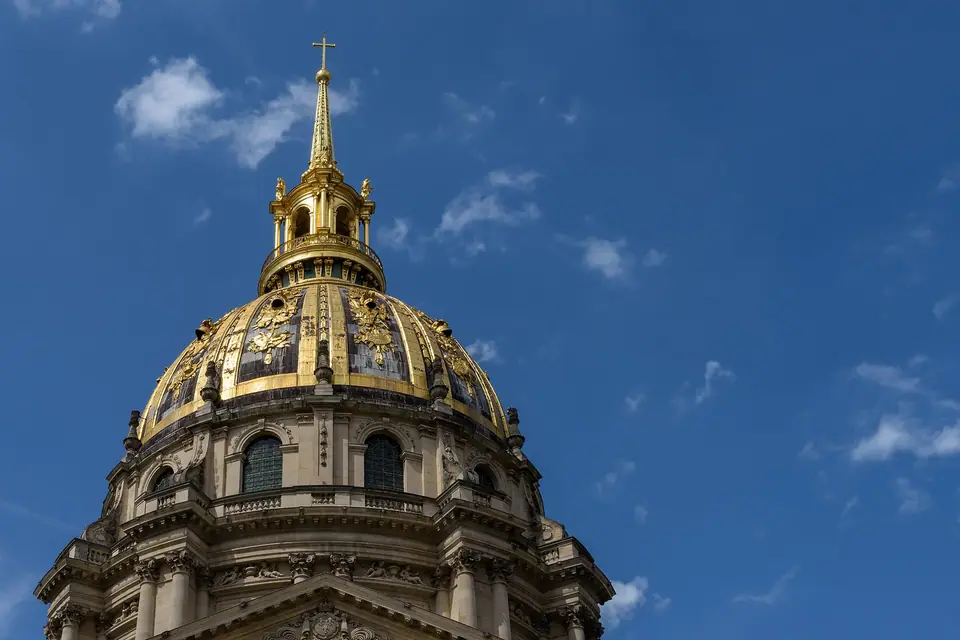
Les Invalides and Napoleon's Tomb: admission ticket
Single ticket to the Musée de l'Armée, the Dôme church and Napoleon's tomb at the Hôtel des Invalides.
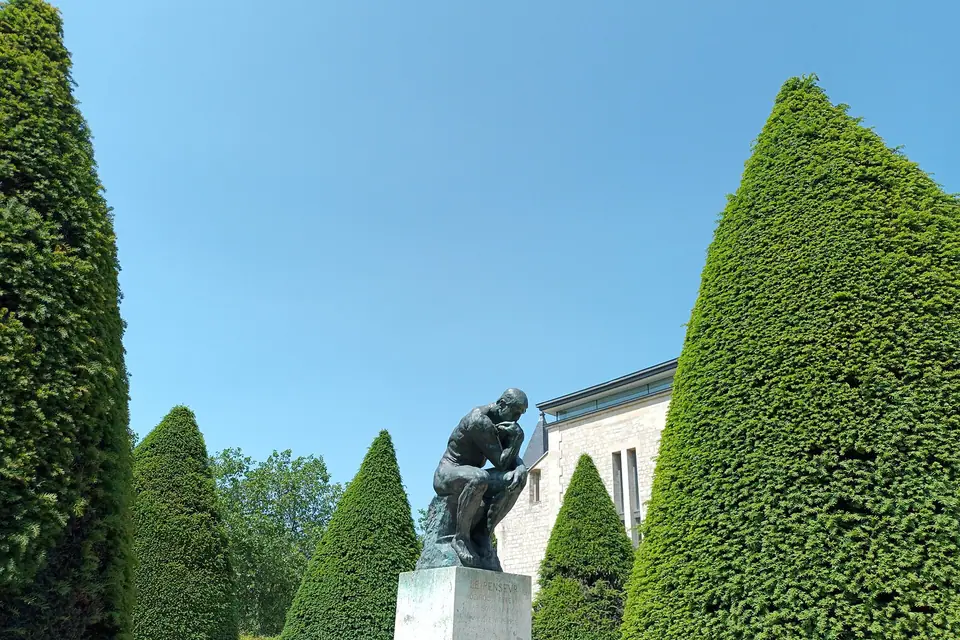
Musée Rodin: admission ticket
Ticket to the museum and sculpture garden with The Thinker, in an 18th-century mansion.
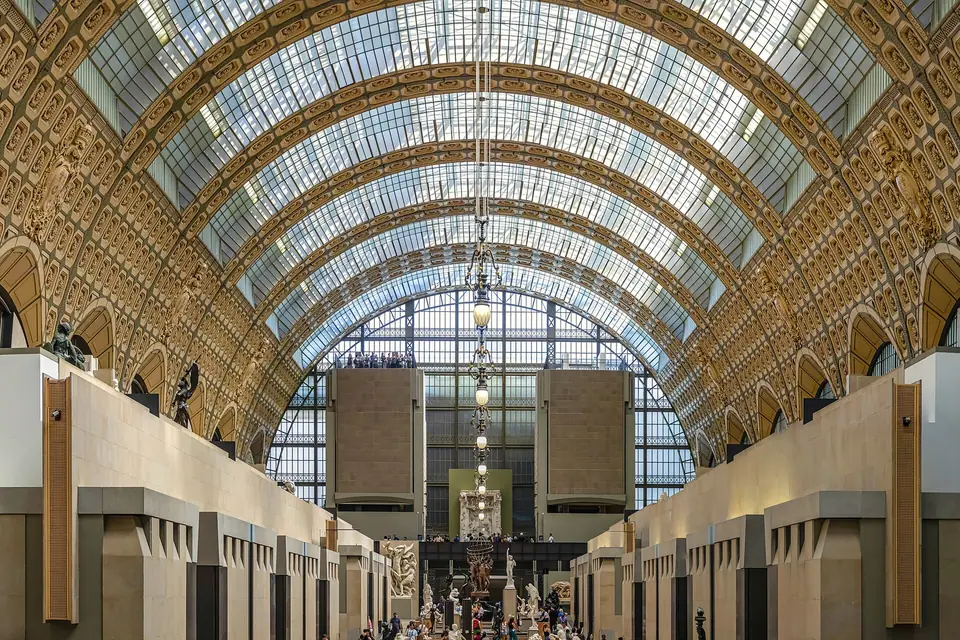
Musée d'Orsay: ticket with dedicated entrance
Musée d'Orsay ticket with priority entrance to see Monet, Van Gogh and Degas in the former station.
Wheels and Ways - Segway tours in Paris
Paris illuminations night tour by Segway (Wheels and Ways)
A 2-hour Segway ride at dusk past the illuminated Eiffel Tower and Champ de Mars.
Day 3: Montmartre, the Opera and the Champs-Élysées
Morning (8.30 am to 1 pm). Montmartre, Anvers metro (line 2). Arriving before 9 am avoids the groups. The Sacré-Cœur is free to enter (6.30 am to 10.30 pm); the dome costs 8 EUR and has 280 steps, no lift. A 2-hour guided walk through place du Tertre, the vineyards and the lanes costs about 26 EUR. For lunch, a 3 hour 30 minute food route (about 72 EUR) doubles as a meal.
Afternoon (2.30 pm to 5.30 pm). Palais Garnier, 2.3 km from Montmartre (metro line 2 with a change, about 20 minutes). The self-guided visit costs around €15 depending on the season and takes 1 to 1.5 hours. Hours change for rehearsals, so book and check the calendar first.
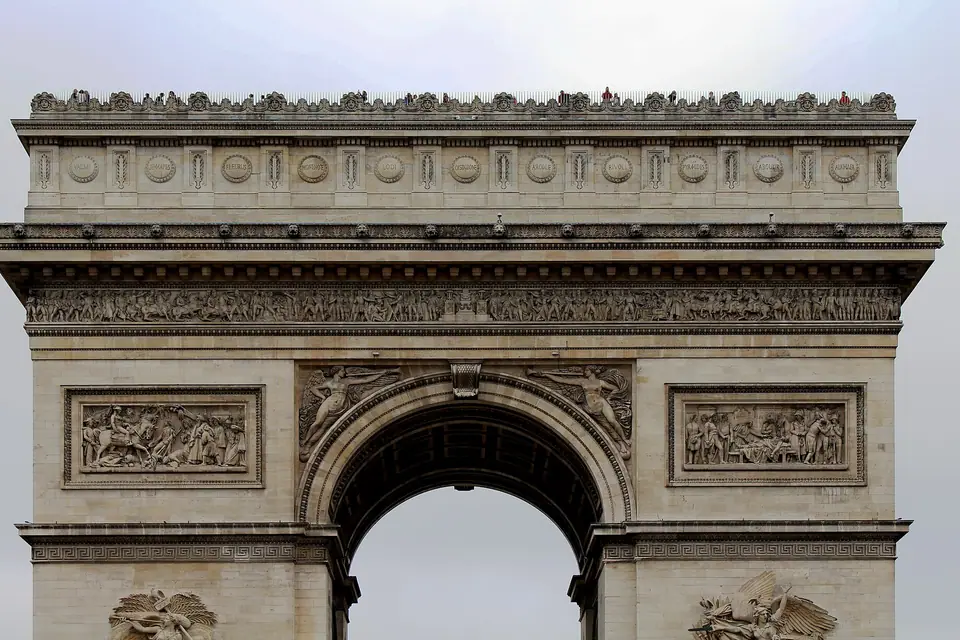
Sunset. From the Garnier to the Arc de Triomphe, line 3 and line 1 with a change, or on foot along the Champs-Élysées (3.5 km). The Arc costs 16 EUR (284 steps, no lift, free for EU residents under 26). Going up at sunset shows the avenues lit. If there is still time, the Jacquemart-André museum (about 19 EUR) is 10 minutes from the Arc, but it closes before dark.
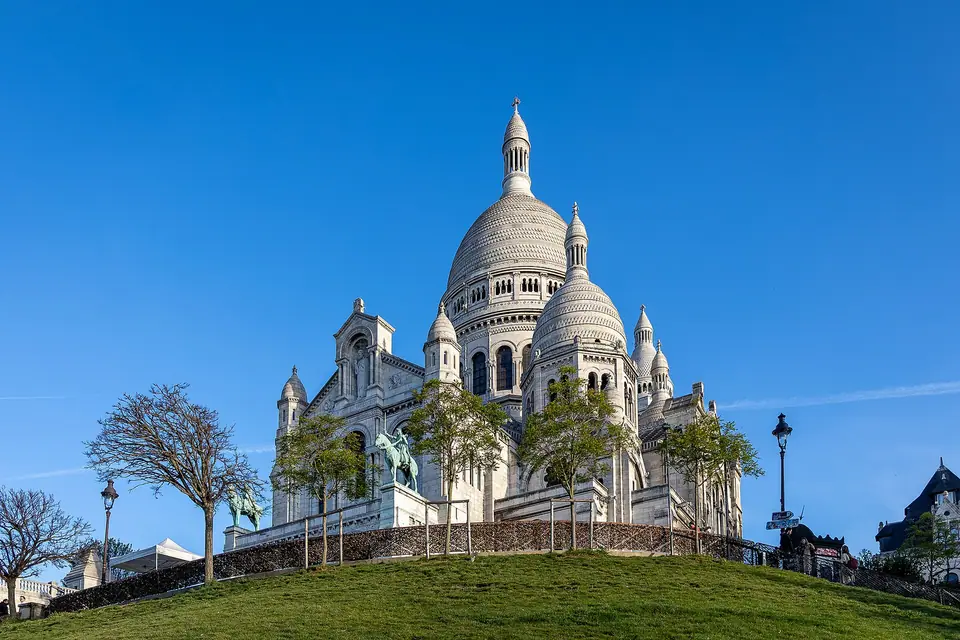
Montmartre and Sacré-Cœur walking tour with a local guide (SANDEMANS)
Two-hour guided walk through Montmartre, from the Moulin Rouge to the Sacré-Cœur.
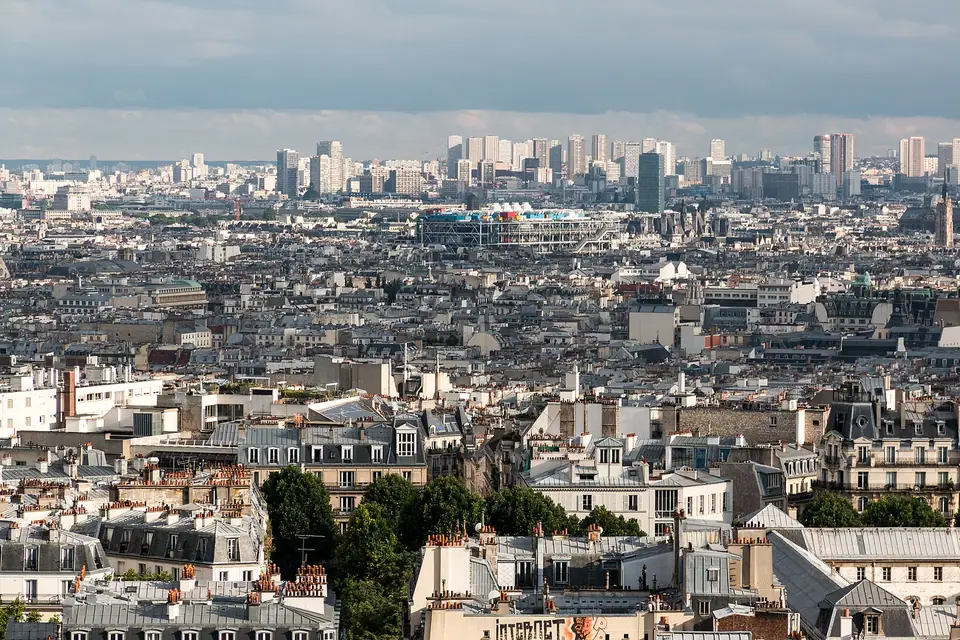
Montmartre food tour with a full meal by Do Eat Better
Three and a half hours through Montmartre restaurants with dishes such as boeuf bourguignon and cheeses, starting at the Moulin Rouge.
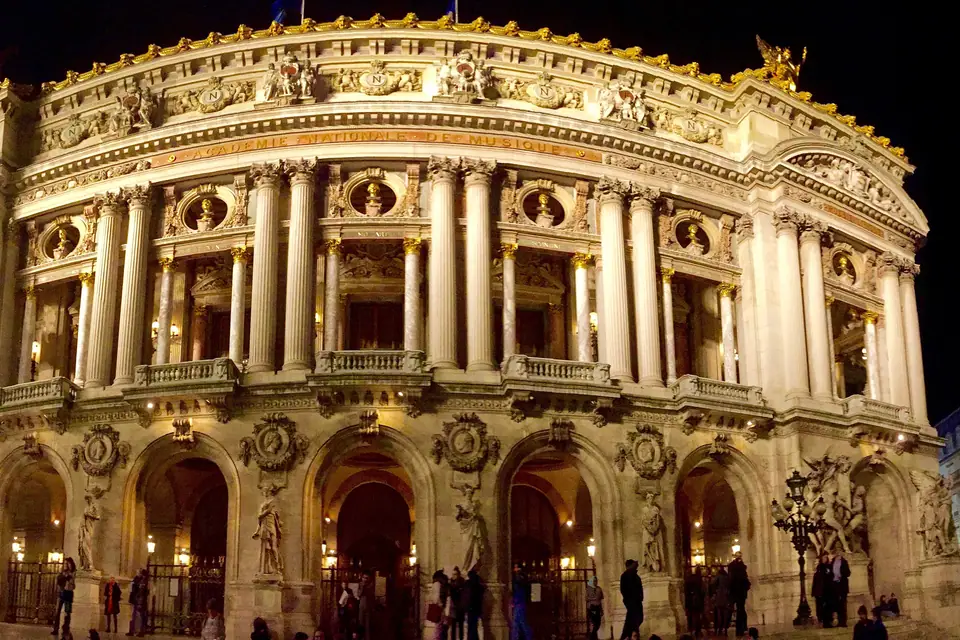
Palais Garnier: self-guided visit
Self-guided visit of the Opéra Garnier with the grand staircase, the foyer and, if there is no rehearsal, the auditorium.
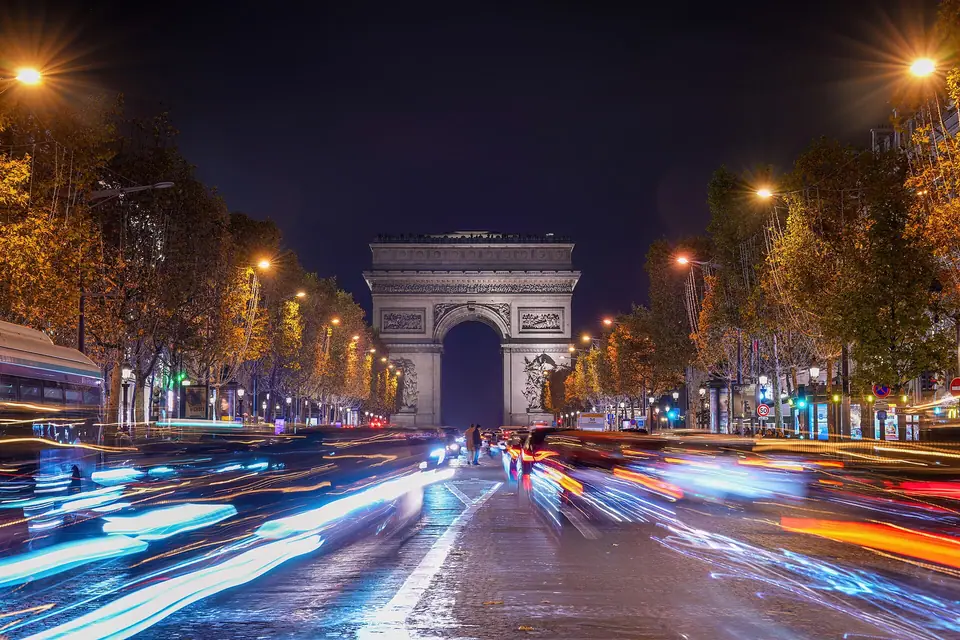
Arc de Triomphe: rooftop terrace ticket
Ticket for the Arc de Triomphe terrace, with views over the twelve avenues radiating from the square.
Optional day 4: Versailles or Giverny
1. Versailles. Closed on Mondays and requires a slot for everyone, free visitors included (under-18s and EEA residents under 26). The passport (palace, gardens and Trianon) costs roughly 22 to 35 EUR depending on season and residence; the day's fare is shown on the official site. It is reached by RER C in 40 to 50 minutes and takes 3 to 6 hours. An organised trip from Paris costs about 58 EUR (3 to 3 hours 30 minutes of visit) and the 6-hour coach version 65 EUR.
2. Giverny. Monet's house and gardens opened in 2026 from 1 April to 1 November (10 am to 6 pm, about 13 EUR for adults, under-7s free). They are now closed for the season and the 2027 dates have not been published yet, so from November to March it is not a valid plan. Giverny excursions of 6 to 11 hours start at about 67 EUR and the one-day Giverny and Versailles combination at about 139 EUR.
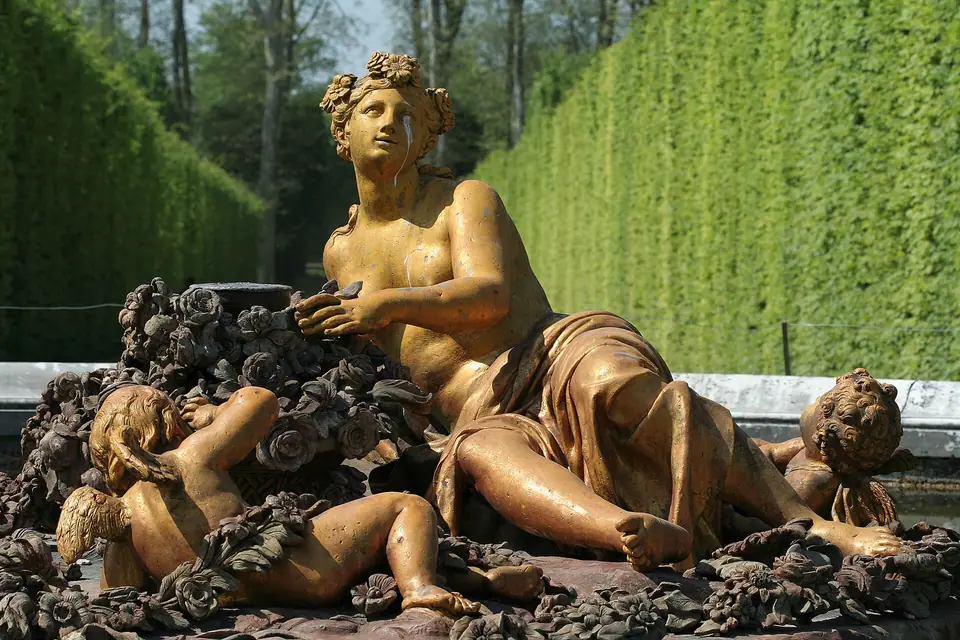
Palace of Versailles: passport ticket with gardens and Trianon
Ticket for the palace, gardens and Trianon estate with the Hameau de la Reine, 35 minutes from Paris by RER C.
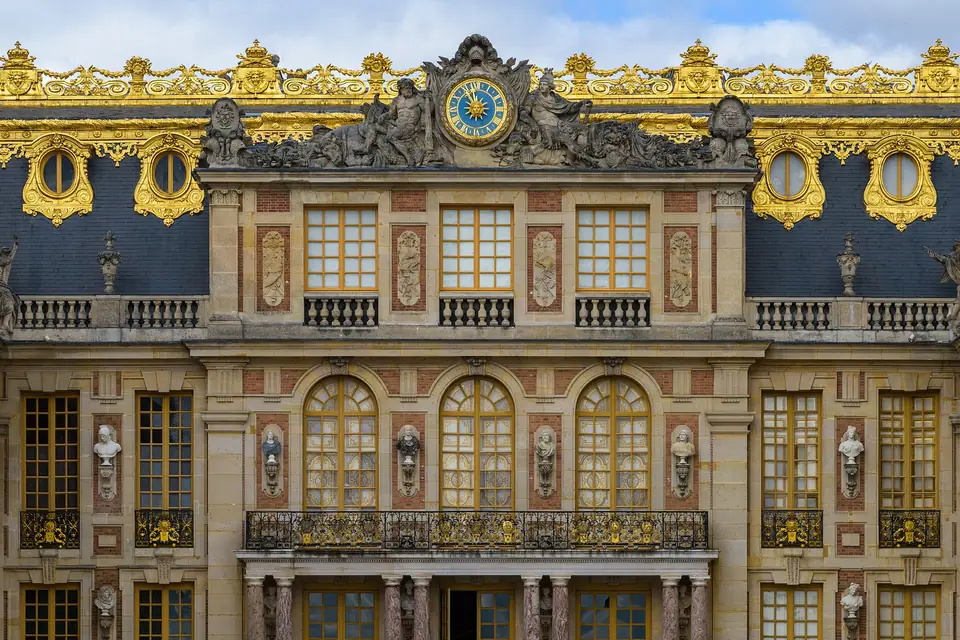
Versailles guided tour from Paris (The Tour Guy)
English-language guided visit to the Palace of Versailles with timed entry and train from Paris.
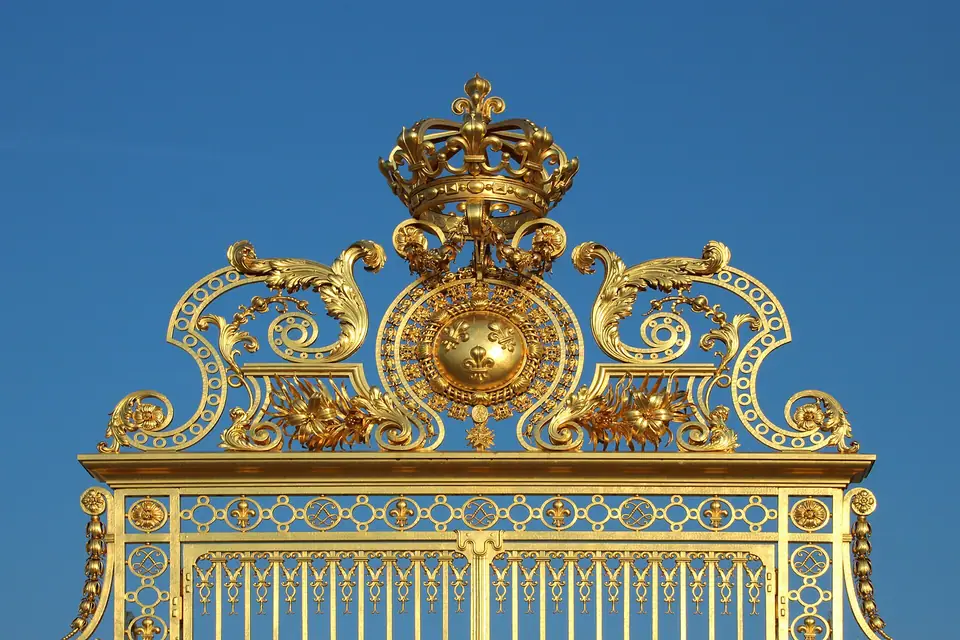
Giverny and Versailles in one day (City Wonders)
Full day by coach with Monet's house in Giverny in the morning and the Palace of Versailles after.
Swaps for rain, Mondays and Tuesdays, or extra time
If it is Monday. Orsay and Versailles are closed: move day 2 to the Eiffel Tower, Les Invalides and Rodin with the Latin Quarter in the afternoon, and leave Orsay for Thursday evening or another trip.
If it is Tuesday. The Louvre and the Orangerie are closed: swap day 1 for the Latin Quarter (the Panthéon from about 13 to 14 EUR, free for under-18s, 1 to 2 hours, plus a 2 hour 30 minute guided walk through the district) and move the Louvre to another day.
If it rains. Museums cover the wet hours: Orsay, the Louvre and Rodin are the three best. The Catacombs (reopened on 8 April 2026, 31 EUR full fare with an audioguide, booking compulsory, closed Mondays) are a covered plan of about 2 hours.
With more time. A fourth day in the Marais (Carnavalet free for its permanent collection, Picasso from 18 EUR) or a walk through the covered passages of the 2nd arrondissement can replace Versailles if a full day on an excursion is not wanted.
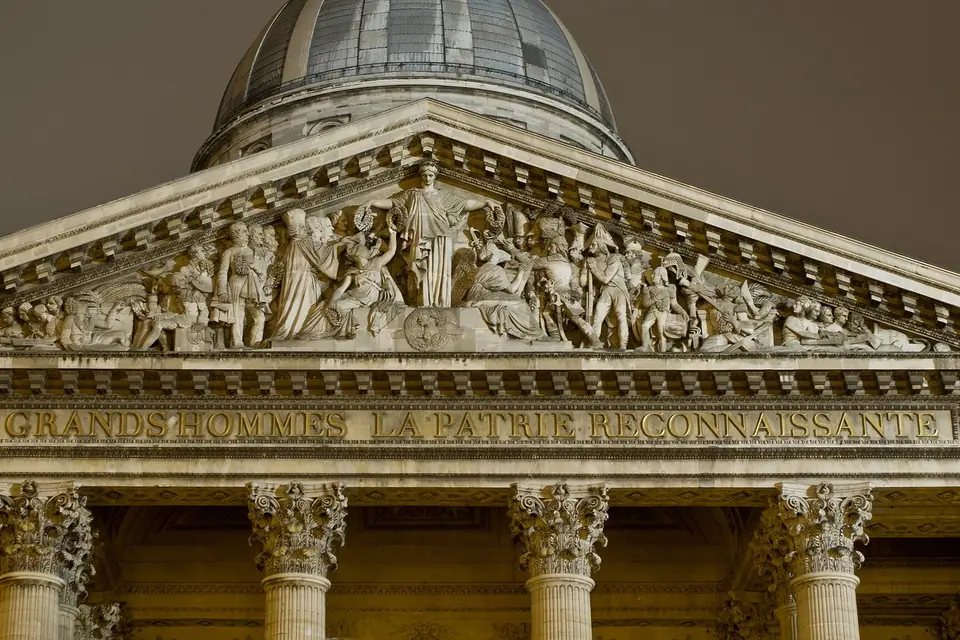
Panthéon: admission ticket
Ticket to the Panthéon, with the crypt of Victor Hugo, Marie Curie and Voltaire and the dome with city views.
Latin Quarter walking tour, semi-private (Babylon Tours)
A 2.5-hour walk from Notre-Dame through the Latin Quarter, taking in the Panthéon and the Luxembourg Garden.
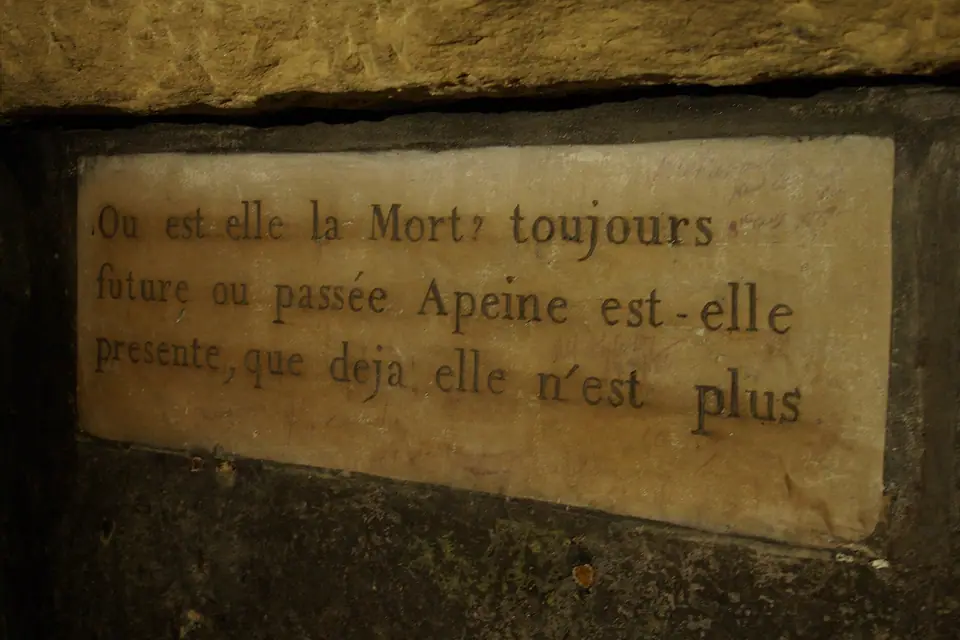
Paris Catacombs: ticket with audio guide
Time-slot ticket to the catacombs with audio guide, about 20 m below Place Denfert-Rochereau.
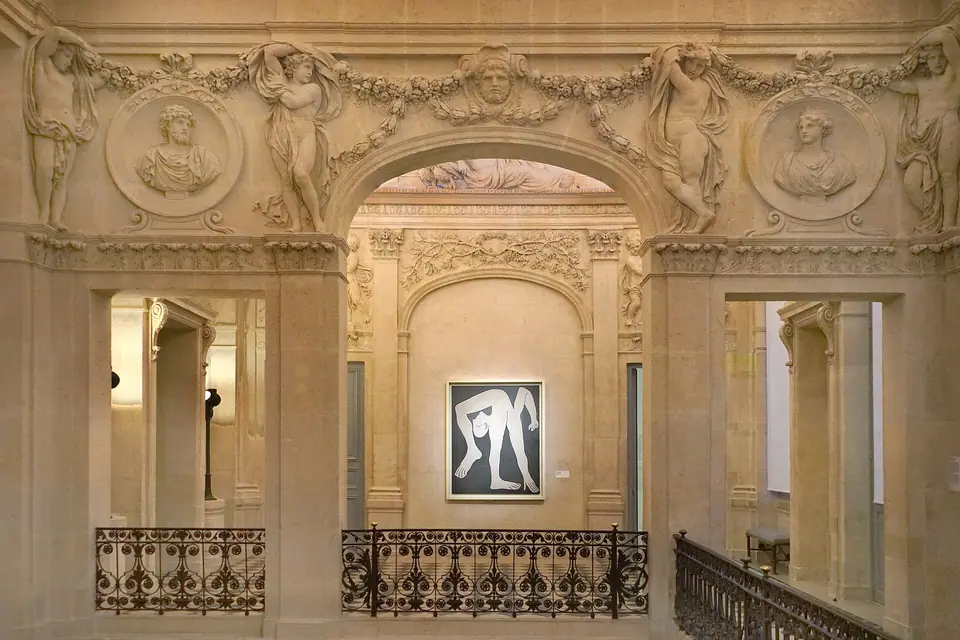
Musée Picasso Paris: priority entry ticket
Priority-access ticket to the Marais museum with Picasso's works, notebooks and archives.
Official sources
Our own text, written from these sources as consulted up to 24 November 2026. Rules and traffic restrictions change: confirm them before you travel.
Frequently asked questions
Are 3 days enough for Paris?
Yes for the essentials: Notre-Dame, the Louvre, the Eiffel Tower, Orsay and Montmartre. The Latin Quarter, the Marais and an excursion are left out and need a fourth day.
What should be booked before travelling?
The Eiffel Tower (time slot), the Sainte-Chapelle, Orsay or the Orangerie, and Versailles if you do day 4. The Catacombs require compulsory booking. The Louvre requires it from 19 December 2026 to 4 January 2027.
How far do you walk each day?
Between 8 and 12 km with the itinerary's journeys, not counting museum interiors. Using the metro on the longest stretches (Montmartre to the Opera, for example) halves it.
What is the best time for the Eiffel Tower?
The first slot of the day to avoid the longest queues, or sunset to see the lighting. The summit can close in wind or at busy times, so book with some margin.
Can you do Paris without a car?
Yes, and it is the norm: the itinerary uses only metro, RER and walking. For Versailles take the RER C, and for other excursions there are organised trips from Paris.
What changes if I travel in winter?
There is less daylight: from October to March the Sainte-Chapelle closes at 5 pm and the Panthéon at 6 pm. Giverny is closed until the next season. Queues are shorter, but the Louvre requires booking from everyone from 19 December to 4 January.
Atlas of Paris editorial team · reviewed on 24 November 2026
More guides
- Paris cabaret shows: a comparison of show times, prices, dress code and minimum age
- Seine river cruise in Paris: which company to choose, when to go and what it costs
- Louvre tickets: €22 or €32, entry time, entrances and a three-hour visit
- Eiffel Tower tickets: lift or stairs, second floor or summit
- Day trips from Paris: how to go independently, when a tour pays off and how long each one takes
- Mont-Saint-Michel day trip from Paris: how to get there, what it costs and when to see the high tide
- Paris with kids: parks, boats, museums, Disneyland and day trips
- Free things to do in Paris: what costs nothing and what is still worth booking
- What to see in Paris: from the Seine to Montmartre, with prices and hours
- Versailles from Paris: RER C, Passport ticket, gardens and what to see in a day
- What to do in Paris if it rains
- Gentle-paced plans in Paris