Guide
What to see in Paris: from the Seine to Montmartre, with prices and hours
What to see in Paris by area: Notre-Dame, the Louvre, Orsay, the Eiffel Tower, the Marais, Montmartre and Versailles, with prices and free entry.
In short
Paris works best by area. The Île de la Cité, the Louvre and the Tuileries fit into one day on foot; Orsay, the Latin Quarter and the Marais into another; and the Eiffel Tower, Les Invalides, the Champs-Élysées, the Opera and Montmartre complete the map. The easiest day trips are Versailles, Giverny, Fontainebleau and Disneyland.
Paris has plenty of monuments and few days. What costs most time is not distance but queues, a museum's weekly closure or a ticket without a time slot. This guide therefore groups sights by area, says how long each takes, when to go and which ones need a booking.
Prices and hours come from the official sites (the Louvre, Notre-Dame, the Eiffel Tower, the Arc de Triomphe, Versailles, the Fondation Monet). Where a fare changes with the season or the way you buy, the guide says so and points to the official site.
Among the free sights, Notre-Dame, the Sacré-Cœur basilica, the Petit Palais and the Carnavalet museum (permanent collection) charge no entry, and under-18s and EEA residents under 26 enter the Louvre and other national museums free.
Ready to book
- Notre-Dame and Île de la Cité walking tour (ExperienceFirst)from €39 · 1.5 h Book on Viator (opens in a new tab)
- Sainte-Chapelle and Conciergerie: combined ticketfrom €25 · 1 h–2 h Book on Tiqets (opens in a new tab)
- Louvre: guided masterpieces tour with admissionfrom €60 · 2.5 h Book on Viator (opens in a new tab)
Part of the links are affiliate links: book through them and we may receive a commission, with no extra cost to you. About affiliate links
Île de la Cité: Notre-Dame, Sainte-Chapelle and the Conciergerie
1. Notre-Dame. The cathedral reopened in December 2024 and entry is free. Booking a time slot is optional and free on the cathedral's official platform (resa.notredamedeparis.fr); without one, the wait can be 2 to 3 hours in high season, and booking is advised from April to October. Opening times change by day of the week, so check the official calendar before you go. Any site that charges for standard entry is not the official one.
2. Towers and crypt. The towers cost about 16 EUR and the archaeological crypt 9 EUR, with different hours from the nave. The towers are booked on the official site and about 424 steps lead to the top. The towers cost €16 (free for EU residents under 26) and are visited with a timed booking. Best time for the nave: the first slot of the morning or late afternoon.
3. Sainte-Chapelle. The 13th-century stained glass is visited with a booked time slot. It opens 9 am to 7 pm from April to September and 9 am to 5 pm from October to March. Admission is 22 EUR. The combined ticket with the Conciergerie is priced separately, and you see it when you book. Under-18s are free; other free-entry groups, with proof, are listed on the official site. Allow 45 minutes to 1 hour; the glass looks best in morning or midday sun.
4. Conciergerie. The former Revolution-era prison opens 9.30 am to 6 pm (last entry 30 minutes before) and can be visited without a fixed time, on the same day as the Sainte-Chapelle if you buy the combined ticket. Allow 1 hour to 1 hour 30 minutes. A guided walk of the island (1 hour 30 minutes) puts the area in order.
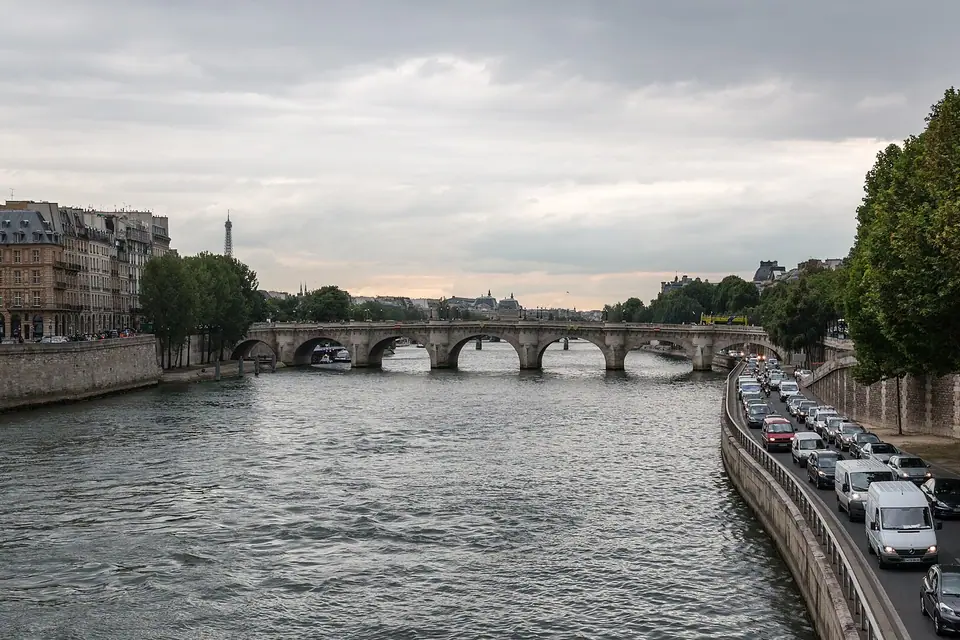
Notre-Dame and Île de la Cité walking tour (ExperienceFirst)
A 90-minute walk around the Île de la Cité, with an option to enter Notre-Dame with a guide.
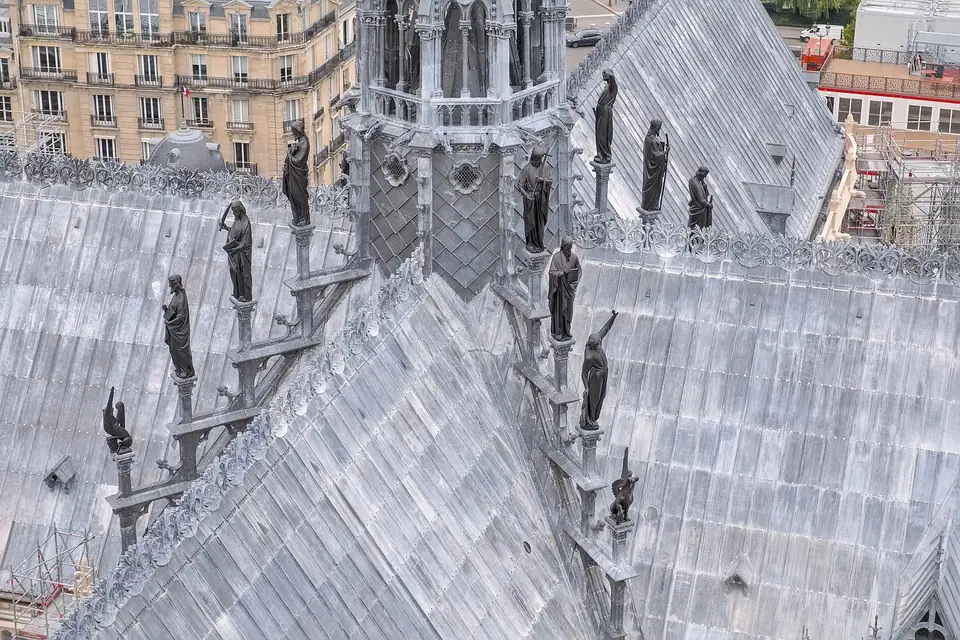
Notre-Dame towers: admission ticket
Climb up the Notre-Dame towers with views of the gargoyles and Paris, by time-slot booking only.
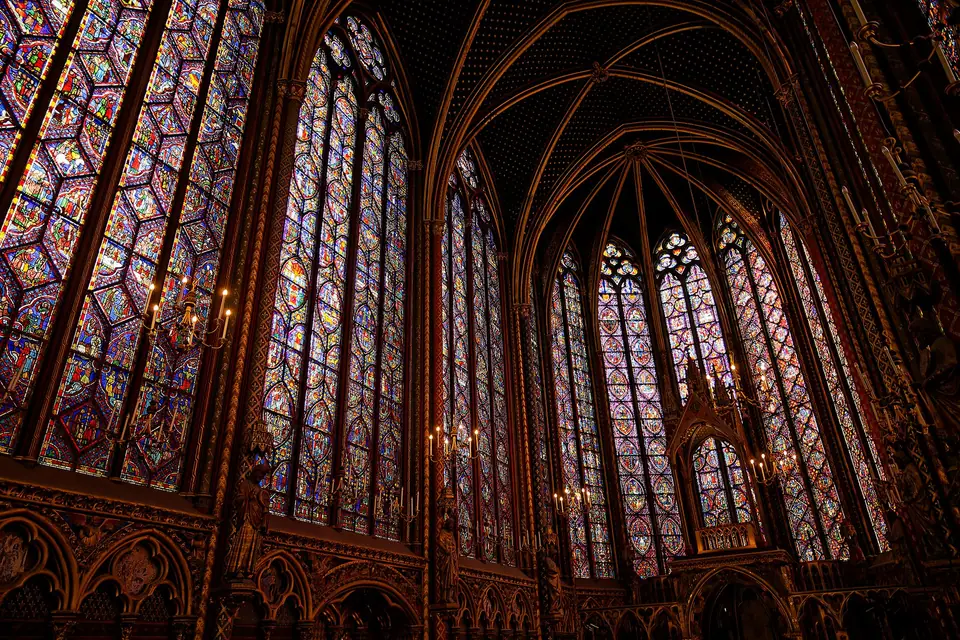
Sainte-Chapelle and Conciergerie: combined ticket
One ticket for the stained-glass chapel and the former royal prison, a few metres apart.
The Louvre and the Tuileries Garden
1. Louvre. It is closed on Tuesdays, open 9 am to 6 pm (Wednesday and Friday until 9 pm), and last entry is one hour before closing. General admission: 22 EUR for EEA citizens and 32 EUR for everyone else, according to the official site. It is free for under-18s and for EEA residents under 26 with ID, and for everyone on the first Friday of the month after 6 pm (except July and August). A time slot is recommended for everyone, free visitors included, and from 19 December 2026 to 4 January 2027 it is compulsory for all.
2. Planning it. Allow 3 to 5 hours, and with a single morning it is better to pick three or four works than to cover whole wings. The quietest slots are first thing in the morning and Wednesday and Friday evenings. For a fixed plan, a 2 hour 30 minute guided visit to the masterpieces includes admission.
3. Orangerie. At the far end of the Tuileries, it is closed on Tuesdays and open 9 am to 6 pm (ticket desks close 45 minutes earlier). Admission is 12.50 EUR and Monet's oval Water Lilies rooms take 1 hour to 1 hour 30 minutes. A time slot must be booked, free visitors included (under-18s and EU residents under 26); the first Sunday of the month is free with a reservation. A Monet exhibition runs from 30 September 2026 to 29 March 2027.
4. Bourse de Commerce. The contemporary art museum beside Les Halles is booked with a time slot (from about 15 EUR, 1 to 2 hours) and fits between the Louvre and the Marais.
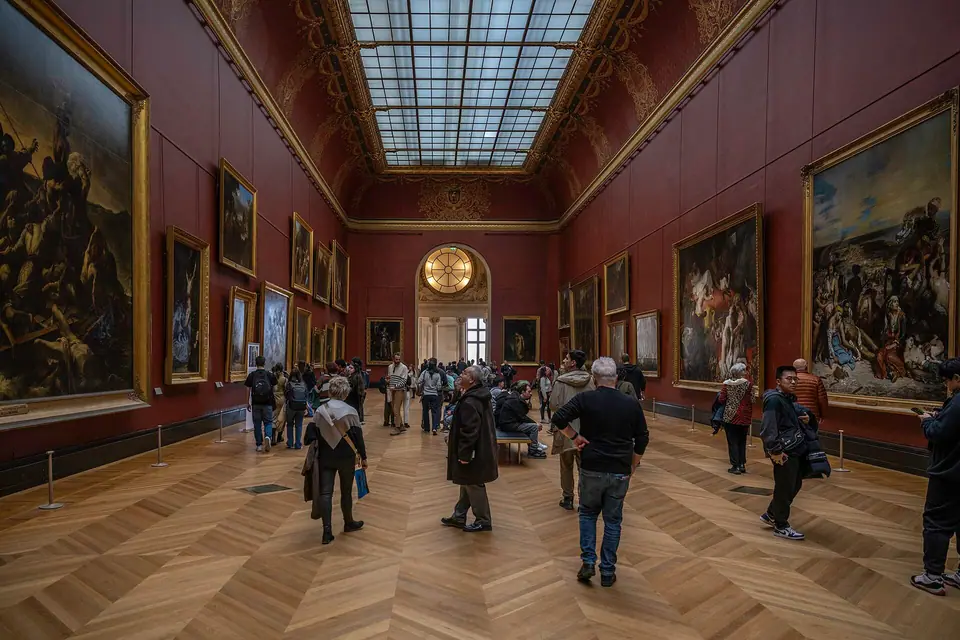
Louvre Museum: general admission
Louvre ticket with a time slot, at 22 EUR for EEA visitors and 32 EUR for everyone else.
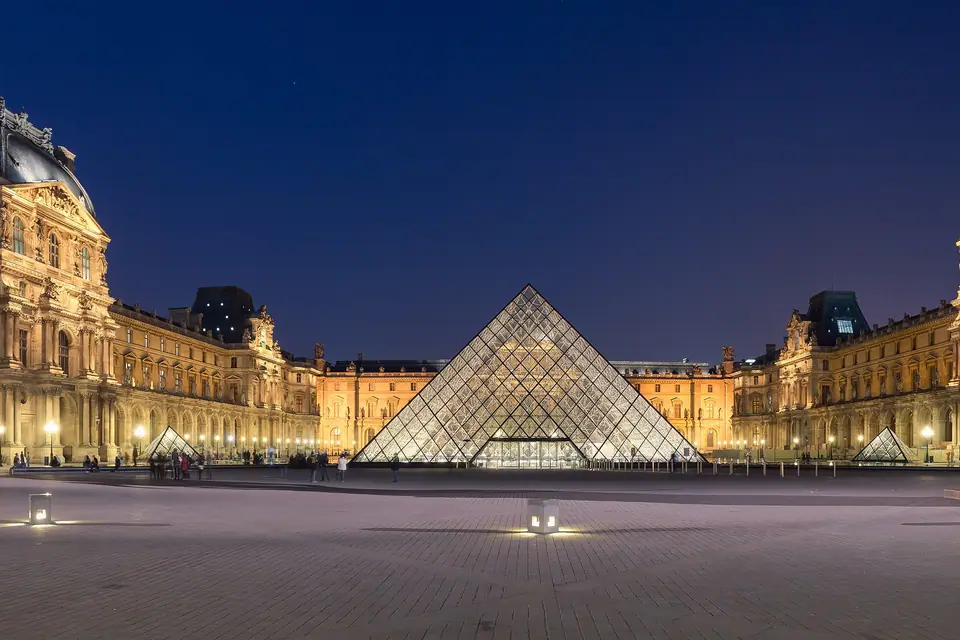
Louvre: guided masterpieces tour with admission
A two-and-a-half-hour tour in a group of up to 20 past the Mona Lisa and the Venus de Milo, admission included.
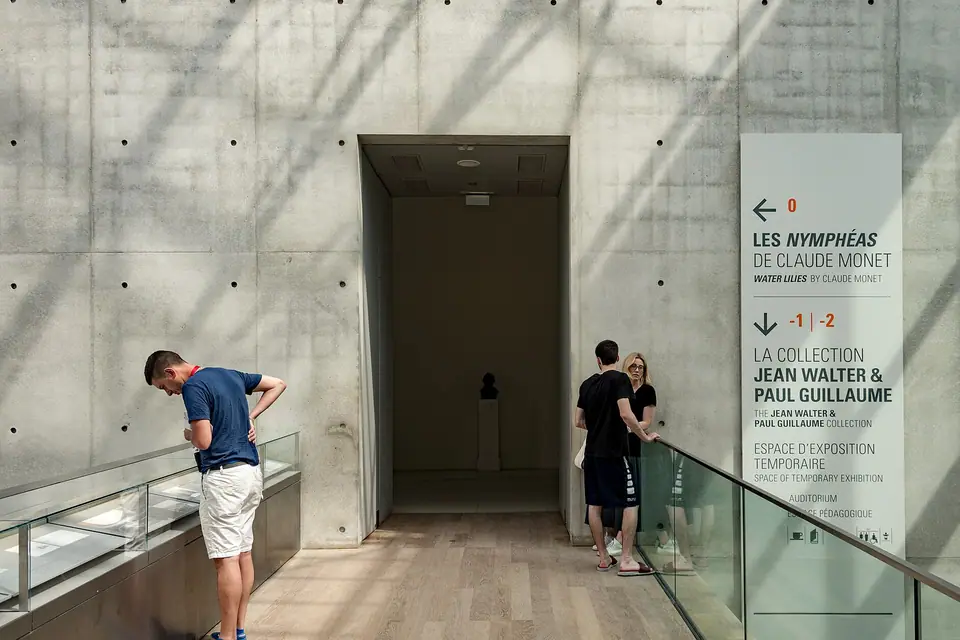
Musée de l'Orangerie: admission ticket
Ticket to the museum of Monet's Water Lilies beside the Tuileries Garden, with a time slot.
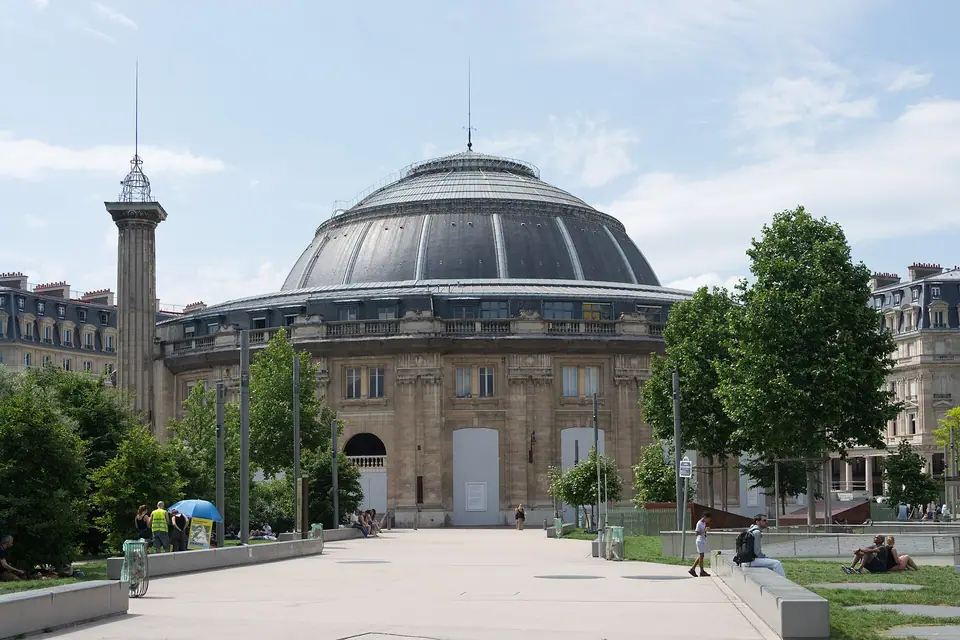
Bourse de Commerce - Pinault Collection
Bourse de Commerce: timed entrance
Timed ticket to the Pinault collection under the restored dome of the former exchange.
Orsay, Saint-Germain and the Luxembourg Garden
1. Musée d'Orsay. It is closed on Mondays and open 9.30 am to 6 pm, with late opening on Thursdays until 9.45 pm. Admission is around 14 to 16 EUR depending on where you buy, so check the current price on the museum's website; free for under-18s and EEA residents under 26. Allow 2 to 3 hours. The most comfortable slots are opening time and Thursday evening, with a time slot booked beforehand.
2. Saint-Germain-des-Prés. A 1 hour 30 minute stroll among the church, cafés and bookshops bridges the museum and the garden. For those who travel to eat, two 3-hour routes combine tasting and neighbourhood: one of food and wine and one of chocolate and pastry.
3. Jardin du Luxembourg. Free and open all year, with hours that change by season (between 7.30 or 8.15 am and 4.30 to 9.30 pm). The green chairs by the pond, the Senate palace and the statues take 1 hour; it is the place to stroll without booking. The pond sailing boats and the puppet theatre are covered in the guide to Paris with kids.
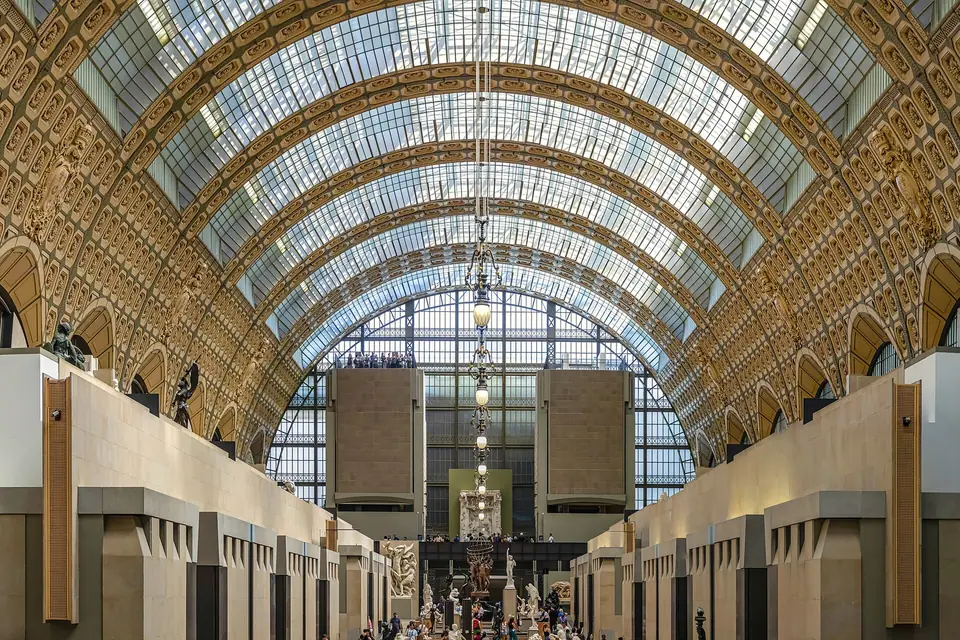
Musée d'Orsay: ticket with dedicated entrance
Musée d'Orsay ticket with priority entrance to see Monet, Van Gogh and Degas in the former station.
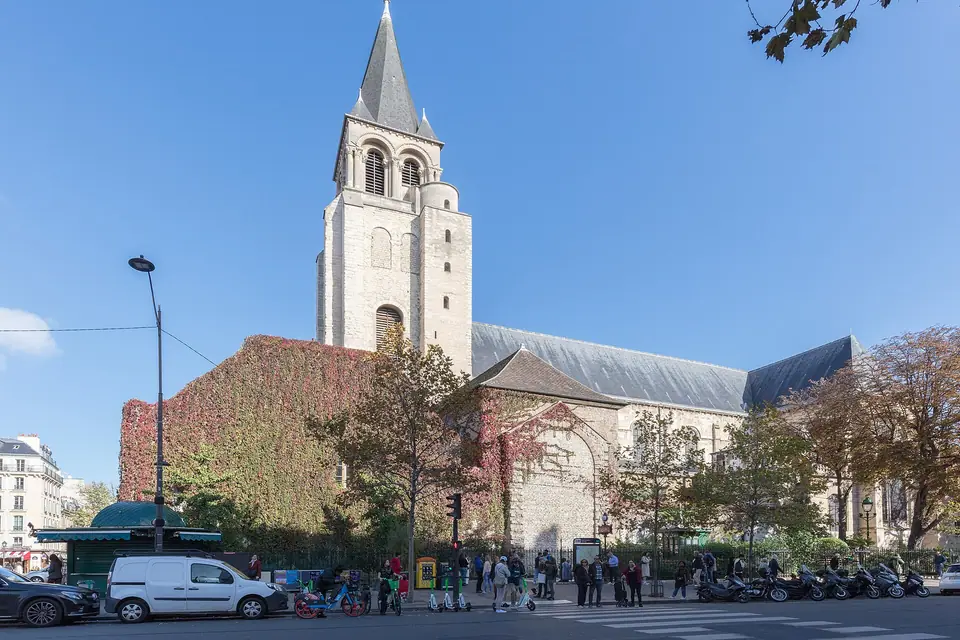
Eating Europe Food Tours Paris
Saint-Germain food and wine tour by Eating Europe
Three hours with 7 stops and 2 drink tastings in Saint-Germain-des-Prés, with cheese, caviar and apple tart.
The Latin Quarter, the Panthéon and the Catacombs
1. Panthéon. It opens 10 am to 6 pm from October to March and until 6.30 pm the rest of the year; last entry is about 45 minutes earlier. Admission is 13 EUR, free for under-18s. The exhibition 'Vies minuscules' runs from 24 September 2026 to 31 January 2027. Allow 1 to 2 hours; the dome and Foucault's pendulum justify the climb.
2. Neighbourhood streets. Rue Mouffetard, the Sorbonne and the Luxembourg Garden are all within 10 minutes' walk of the Panthéon. A 2 hour 30 minute guided walk gives historical context to anyone arriving without background.
3. Catacombs. They reopened on 8 April 2026 after a renovation. Closed on Mondays, open 9.45 am to 8.30 pm (last entry 7.30 pm), and a booked time is compulsory: capacity is 200 people at a time. The full fare is 31 EUR with an audioguide; reduced fares are shown on the official site when you book. Allow about 2 hours including the entry queue; the first slot is the best time. There are stairs and the route is not suited to claustrophobia.
4. With a guide. There is a 2-hour guided visit with restricted-access areas, for anyone who wants more than the standard circuit.
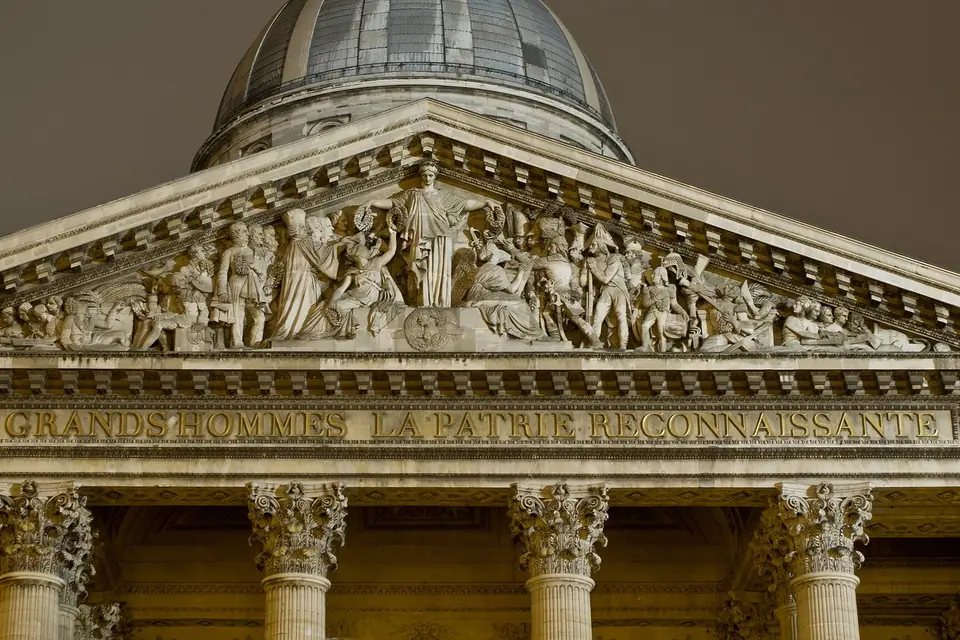
Panthéon: admission ticket
Ticket to the Panthéon, with the crypt of Victor Hugo, Marie Curie and Voltaire and the dome with city views.
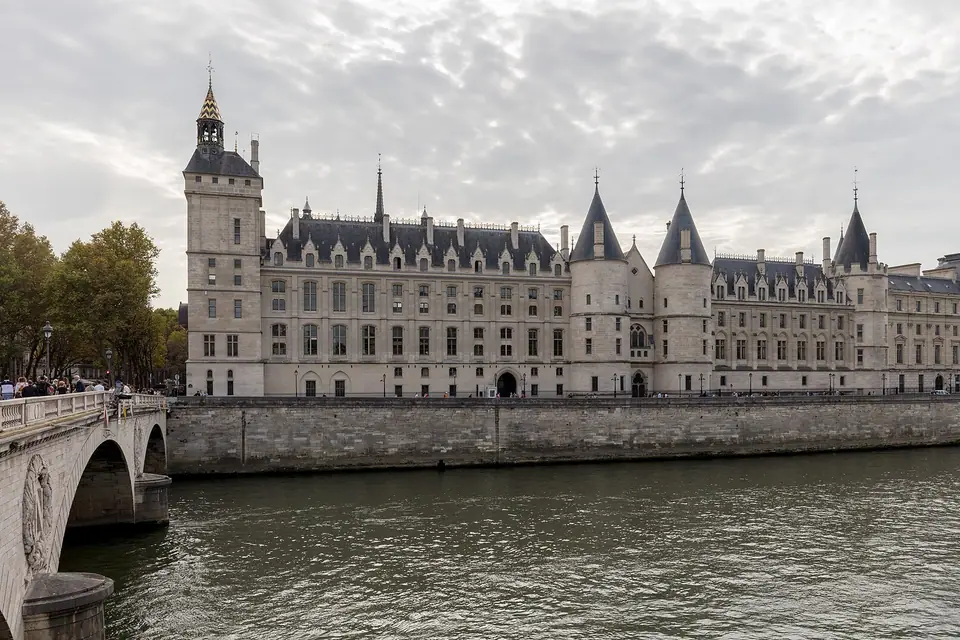
Latin Quarter walking tour, semi-private (Babylon Tours)
A 2.5-hour walk from Notre-Dame through the Latin Quarter, taking in the Panthéon and the Luxembourg Garden.
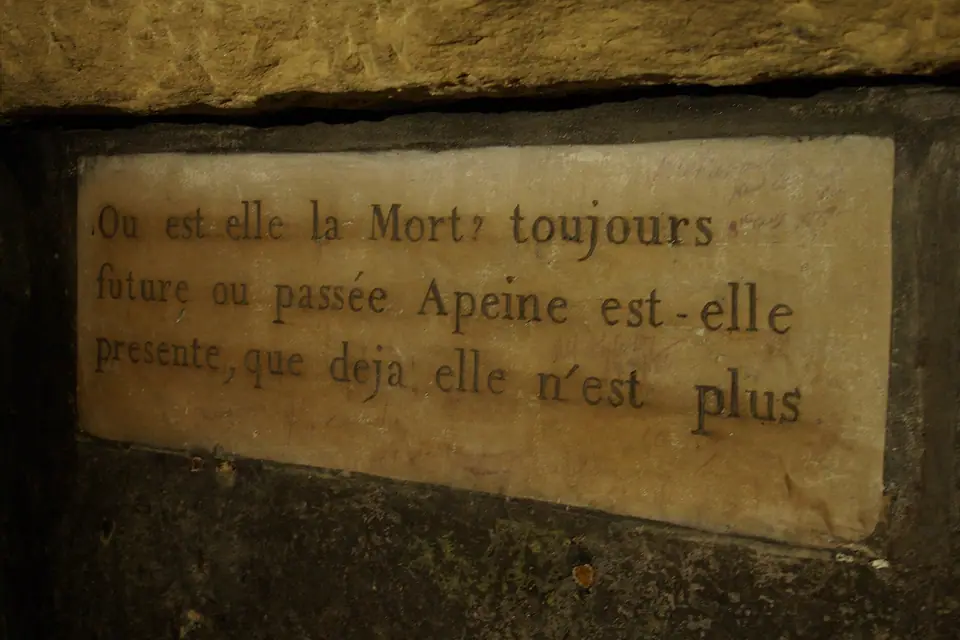
Paris Catacombs: ticket with audio guide
Time-slot ticket to the catacombs with audio guide, about 20 m below Place Denfert-Rochereau.
The Marais and the free museums of the centre
1. Carnavalet. The museum of Paris history has a free permanent collection. It is closed on Mondays and open 10 am to 6 pm (ticket desks until 45 minutes earlier); temporary exhibitions are charged separately. Allow 1 hour 30 minutes.
2. Picasso Museum. Admission is 16 EUR (1 to 2 hours), closed on Mondays and free on the first Sunday of the month, in a 17th-century mansion in the Marais. The Rodin and Orsay collections are alternatives if Picasso does not suit.
3. Streets and food. The Jewish quarter of rue des Rosiers, the place des Vosges and the Marais courtyards take 2 hours 30 minutes on a guided route. A 3-hour food route through the district costs about 119 EUR and includes several stops. The covered passages of the 2nd arrondissement, 15 minutes' walk away, make a good rainy-day plan.
4. Two more facts. The Petit Palais is free for its permanent collection, open Tuesday to Sunday 10 am to 6 pm (last entry 5.15 pm) and 10 minutes from the Champs-Élysées. The Centre Pompidou is not receiving visitors: it has been closed for works since late 2025 and reopening is expected around 2030.
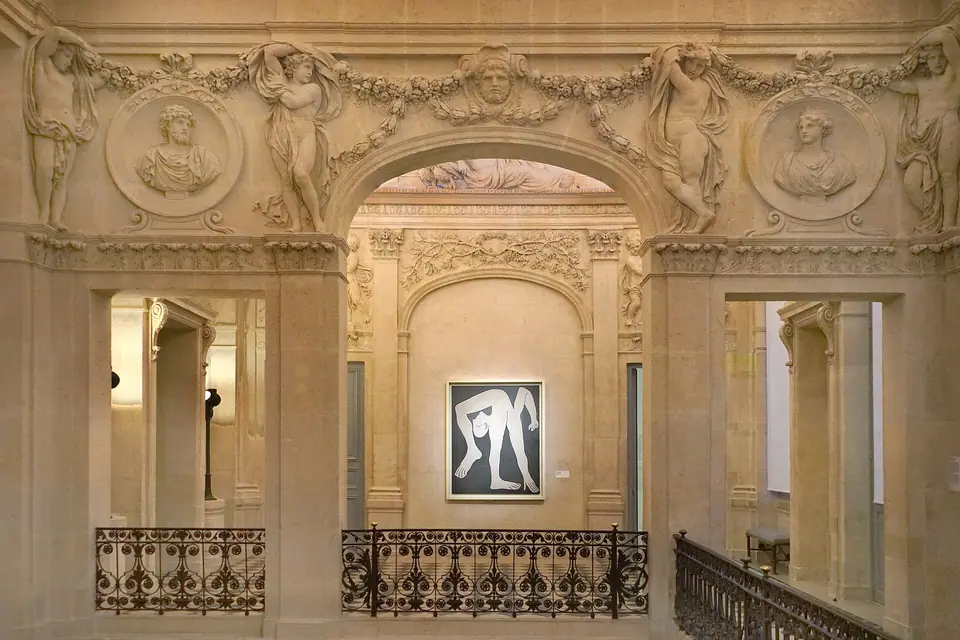
Musée Picasso Paris: priority entry ticket
Priority-access ticket to the Marais museum with Picasso's works, notebooks and archives.
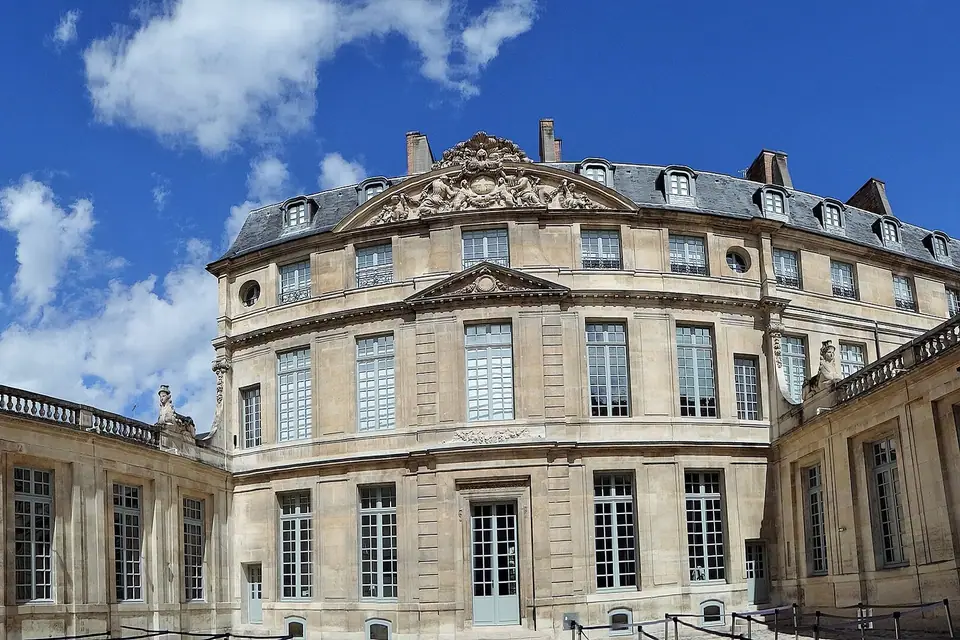
The Marais and the Jewish Quarter, semi-private walk (Babylon Tours)
A 2.5-hour walk through the Marais with a maximum of 12 people.
Marais food tour by Secret Food Tours
More than ten tastings on foot through the Marais, with croissant, falafel, croque-monsieur, cheese, wine and macarons.
The Eiffel Tower, Trocadéro and Les Invalides
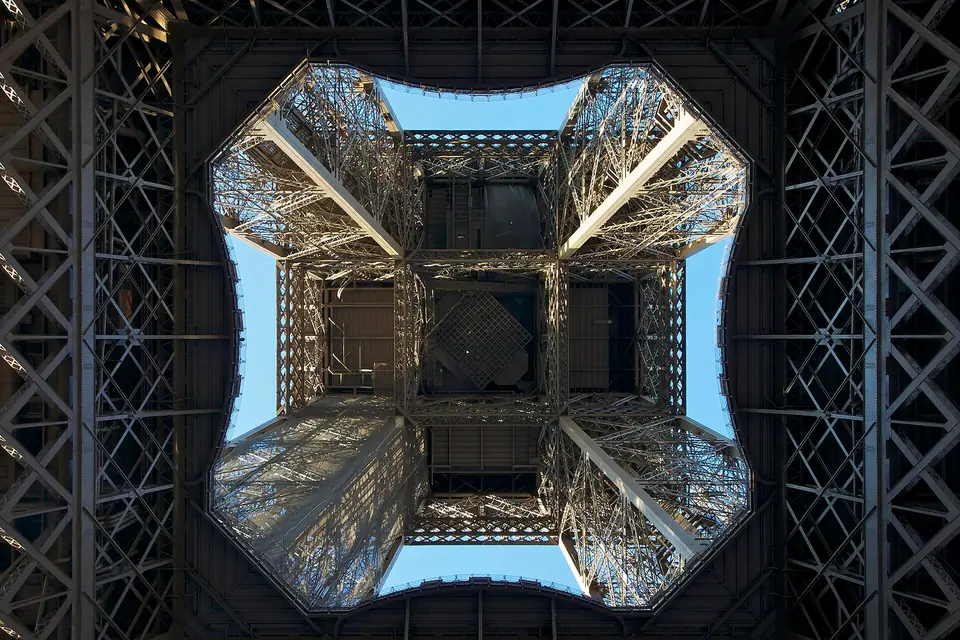
1. Eiffel Tower. Tickets are bought with a time slot on the official website and sell out in high season. According to the official table, the lift to the second floor costs 23.50 EUR (adult) and to the summit 36.70 EUR, rising on 11 January 2027 to 24.10 EUR and 37.70 EUR; the exact price is shown when you buy on the official site. Under-4s enter free but need a 0 EUR booking. From 29 September 2026 the stairs require advance booking. The second floor is about 115 m up and the summit about 276 m, and the summit can close in wind or at busy times. Allow 1 hour 30 minutes to 3 hours.
2. Best time. The first slot of the day or sunset, when the lights come on. To see the tower without going up, the Trocadéro esplanade, 10 minutes' walk away, gives the classic view. A 2-hour guided stair climb with fast access suits anyone who wants to skip the lift queue.
3. Les Invalides and Rodin. The Army Museum and Napoleon's tomb cost 17 EUR (2 to 4 hours) and the Rodin Museum 14 EUR (1 to 2 hours); the museum's official ticket office sells a combined ticket at 26 EUR. The Rodin Museum is open Tuesday to Sunday, 10 am to 6.30 pm, and closed on Mondays.
4. Quai Branly. The museum of the arts of Africa, Asia, Oceania and the Americas costs about 14 EUR and needs 2 to 3 hours; it is 10 minutes' walk from the tower, along the Seine.
Eiffel Tower: tickets to the second floor and summit
Official Eiffel Tower ticket by lift or stairs, with a choice of second floor or summit and a time slot.
Eiffel Tower: guided stair climb with reserved access
Two hours with a host climbing the 674 steps to the second floor with reserved access.
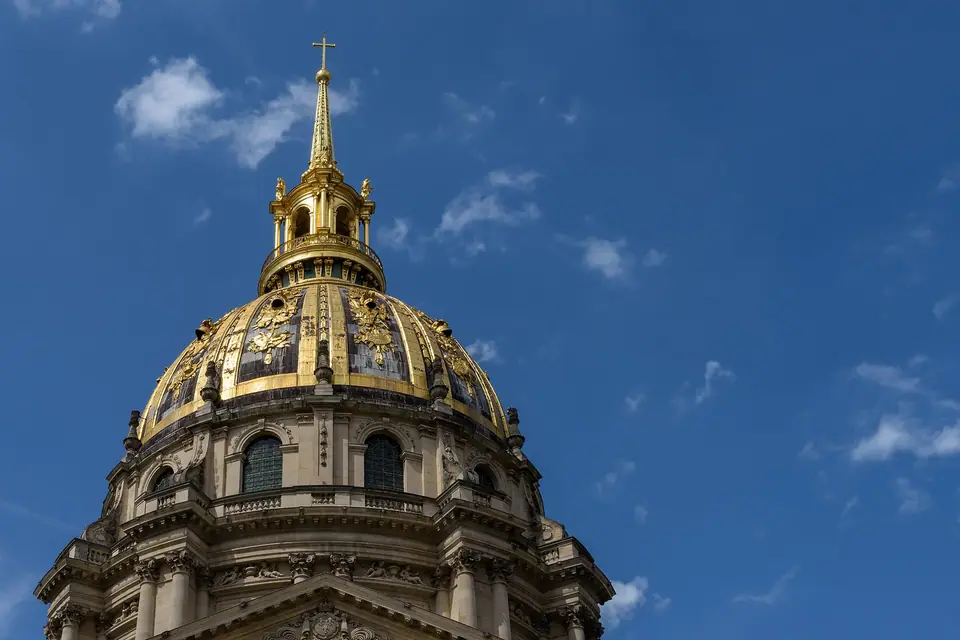
Les Invalides and Napoleon's Tomb: admission ticket
Single ticket to the Musée de l'Armée, the Dôme church and Napoleon's tomb at the Hôtel des Invalides.
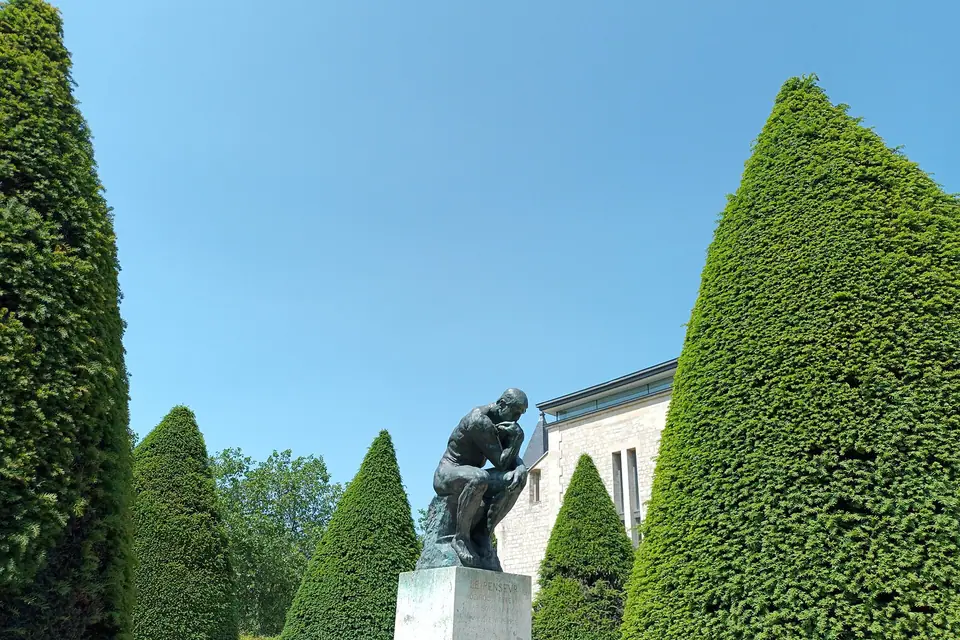
Musée Rodin: admission ticket
Ticket to the museum and sculpture garden with The Thinker, in an 18th-century mansion.
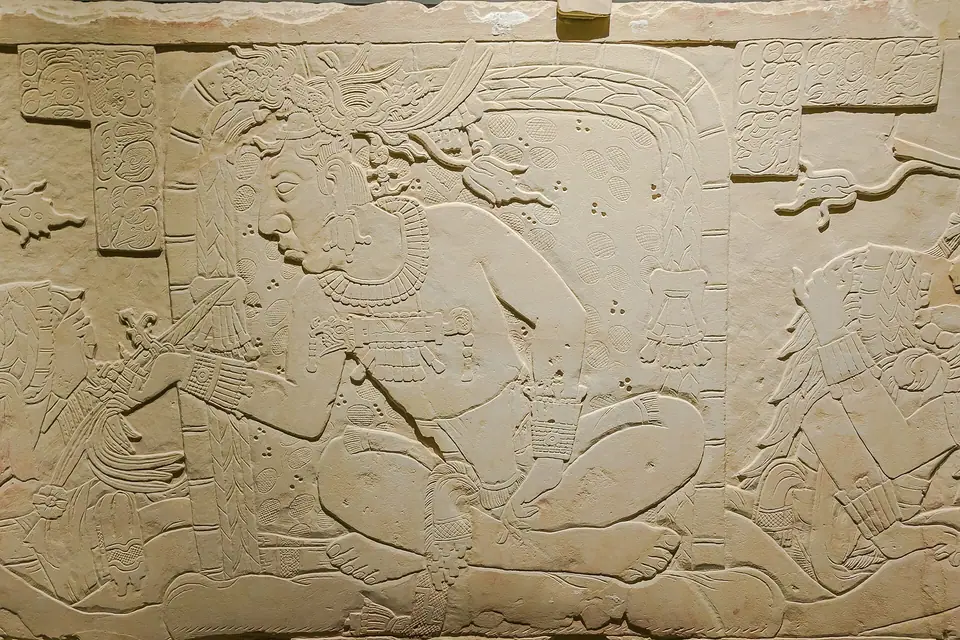
Musée du quai Branly - Jacques Chirac
Musée du quai Branly: admission ticket
Ticket to the permanent collections and exhibitions of the museum beside the Eiffel Tower.
The Champs-Élysées, the Arc de Triomphe and the Opera
1. Arc de Triomphe. The terrace costs 16 EUR on the official site, with 284 steps and no lift (the lift is being modernised). Entry is free for EU residents under 26. It is booked online; check the official site for current opening hours. Allow 1 hour and go up at sunset to see the avenues lit. Reach it by the pedestrian underpass, not by crossing the roundabout.
2. Champs-Élysées. The 1.9 km down to the place de la Concorde take 30 to 40 minutes, with shops and more crowds than appeal. They work better as an axis than as a destination. For the afternoon, the Jacquemart-André museum (about 19 EUR, 1 to 2 hours) offers a mansion with collections and a tea room, much calmer than the avenue.
3. Palais Garnier. The 19th-century opera house is visited on your own for about 15 to 25 EUR depending on the date, or with a guide for 35 EUR on the official tariff since February 2026 (the 45-minute 'flash' version is 25 EUR). Hours change for rehearsals and cannot be fixed; book and check the calendar beforehand. Allow 1 hour to 1 hour 30 minutes. Opéra metro (lines 3, 7 and 8) drops you at the door.
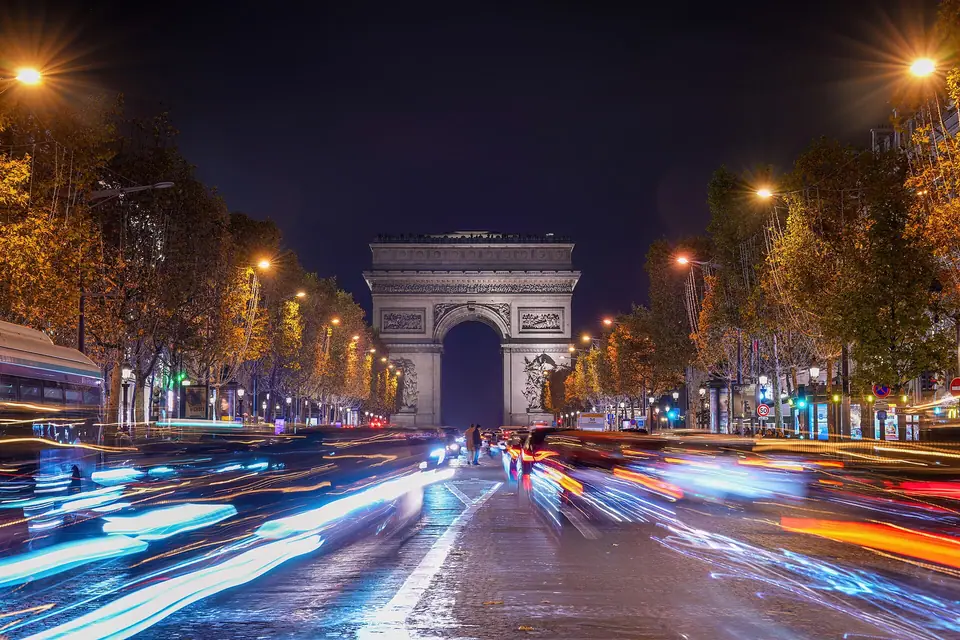
Arc de Triomphe: rooftop terrace ticket
Ticket for the Arc de Triomphe terrace, with views over the twelve avenues radiating from the square.
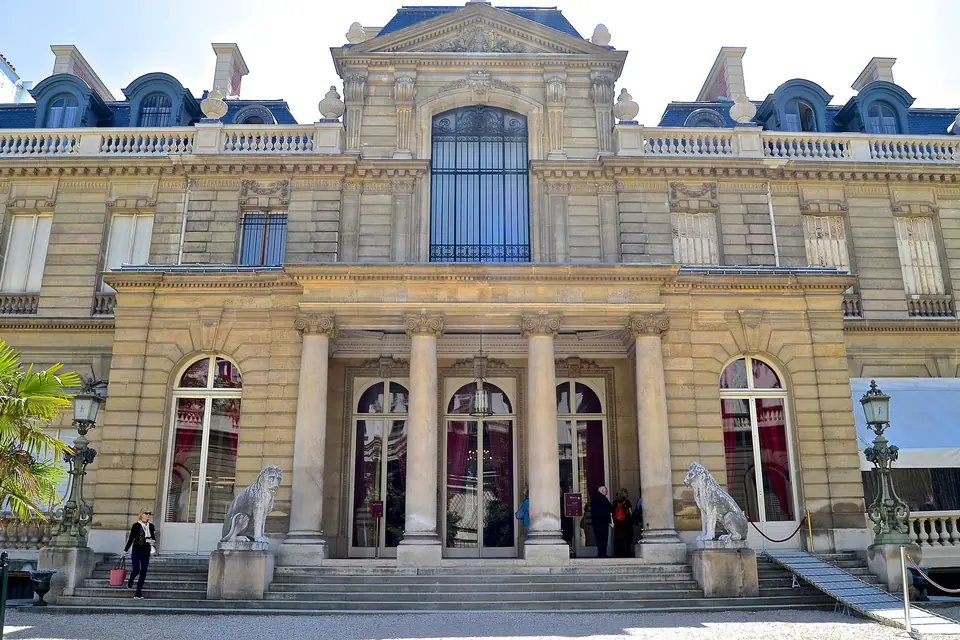
Musée Jacquemart-André: admission ticket
Ticket to the mansion of collectors Édouard André and Nélie Jacquemart, with a tea room.
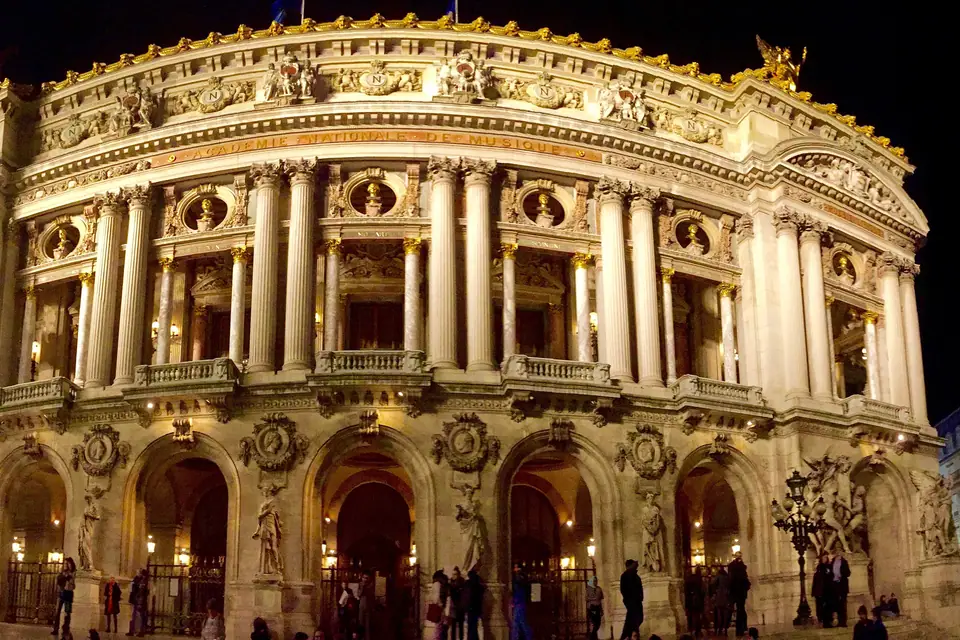
Palais Garnier: self-guided visit
Self-guided visit of the Opéra Garnier with the grand staircase, the foyer and, if there is no rehearsal, the auditorium.
Montmartre and the Sacré-Cœur
1. Basilica. The Sacré-Cœur is free to enter, daily 6.30 am to 10.30 pm, and the crypt runs on donations. The dome is paid: 8 EUR (reduced fare for children), with 280 steps and no lift. Dome hours change with the season, so check the official site before you climb.
2. Route. Take the metro to Anvers (line 2) and go up by funicular or on the stairs. A 2-hour guided walk (about 26 EUR) covers place du Tertre, the vineyards and the lanes; a 3 hour 30 minute food route (about 72 EUR) adds tasting stops. Best time: before 9 am, before the groups arrive.
3. Night. The Moulin Rouge is a dinner show (from about 299 EUR, 4 hours 30 minutes) and needs booking.
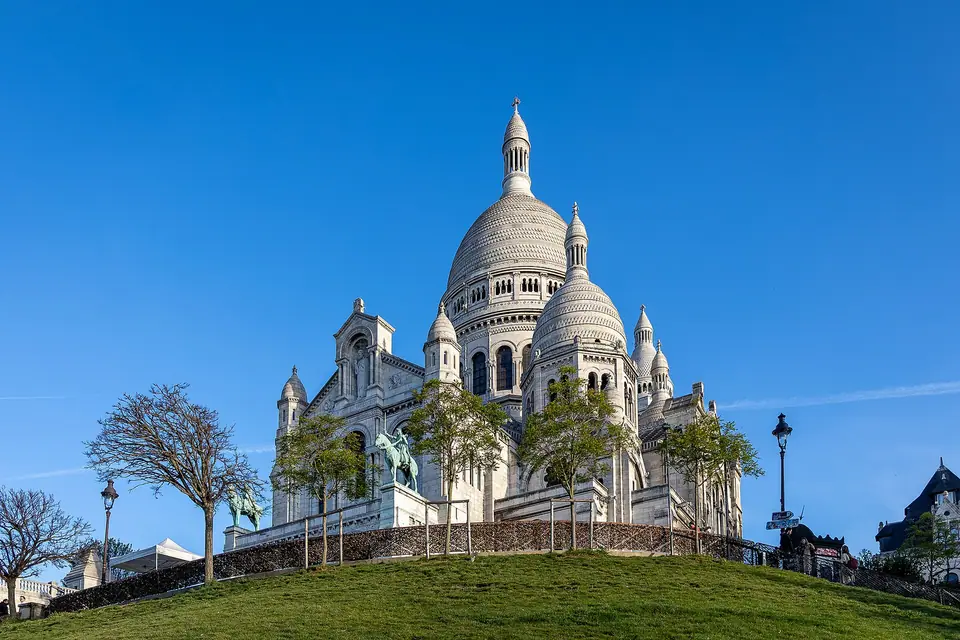
Montmartre and Sacré-Cœur walking tour with a local guide (SANDEMANS)
Two-hour guided walk through Montmartre, from the Moulin Rouge to the Sacré-Cœur.
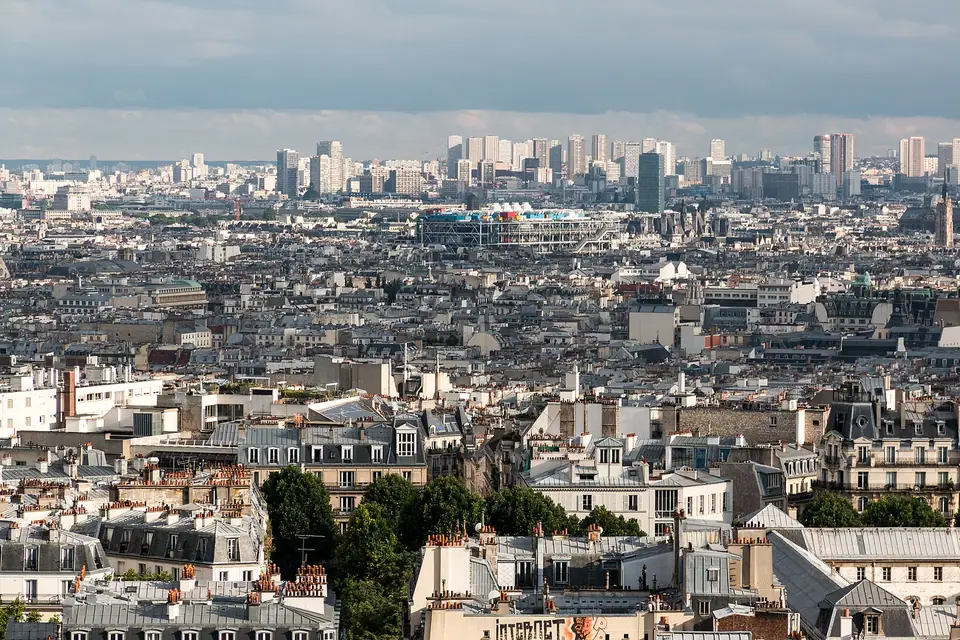
Montmartre food tour with a full meal by Do Eat Better
Three and a half hours through Montmartre restaurants with dishes such as boeuf bourguignon and cheeses, starting at the Moulin Rouge.
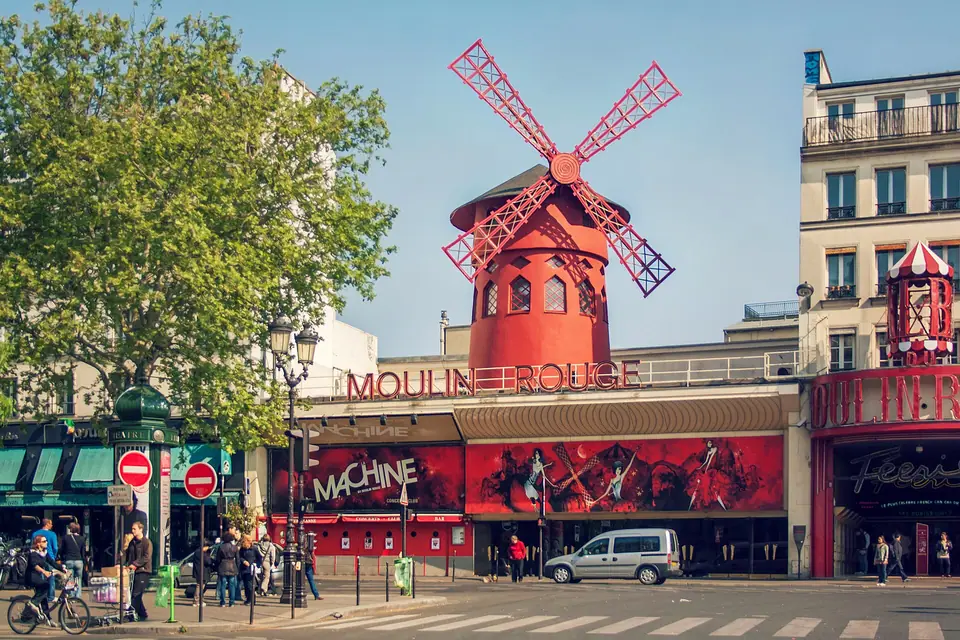
Moulin Rouge dinner and Féerie show (sold by Extime Travel)
Three-course dinner with wine and show at the Moulin Rouge, sold by a reseller, not by the cabaret itself.
The Seine by boat
1. One-hour cruise. They leave from Pont de l'Alma, the Eiffel Tower, the Pont-Neuf and the Concorde area. One-hour fares are around 17 to 18 EUR (Bateaux Parisiens, Bateaux-Mouches, Vedettes). They sail every 30 to 60 minutes depending on the season and are bought with or without a time. The kindest light is at sunset.
2. Batobus. A hop-on hop-off boat with a 24- or 48-hour pass (from about 23 EUR) works as transport between the Eiffel Tower, Louvre, Orsay and Notre-Dame, though slower than the metro.
3. With dinner. Dinner cruises of 2 hours 30 minutes cost about 125 EUR and 2-hour lunch cruises about 84 EUR. For a quiet stop, the champagne tasting on board costs about 79 EUR and lasts 1 hour 15 minutes.
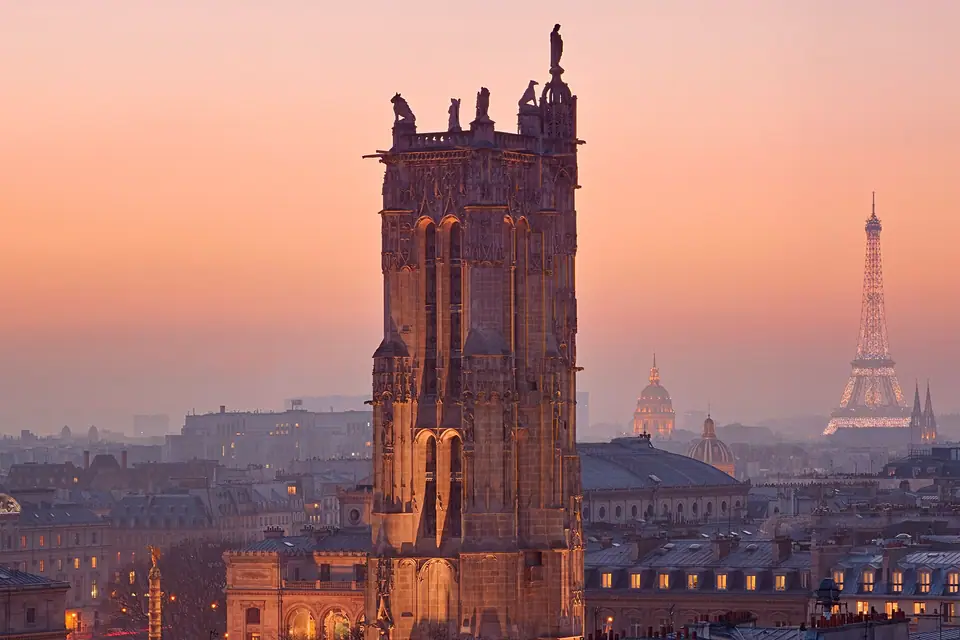
Seine sightseeing cruise by Bateaux Parisiens, 1 hour
One-hour boat trip from the Eiffel Tower with audio commentary in 14 languages and no fixed time slot.
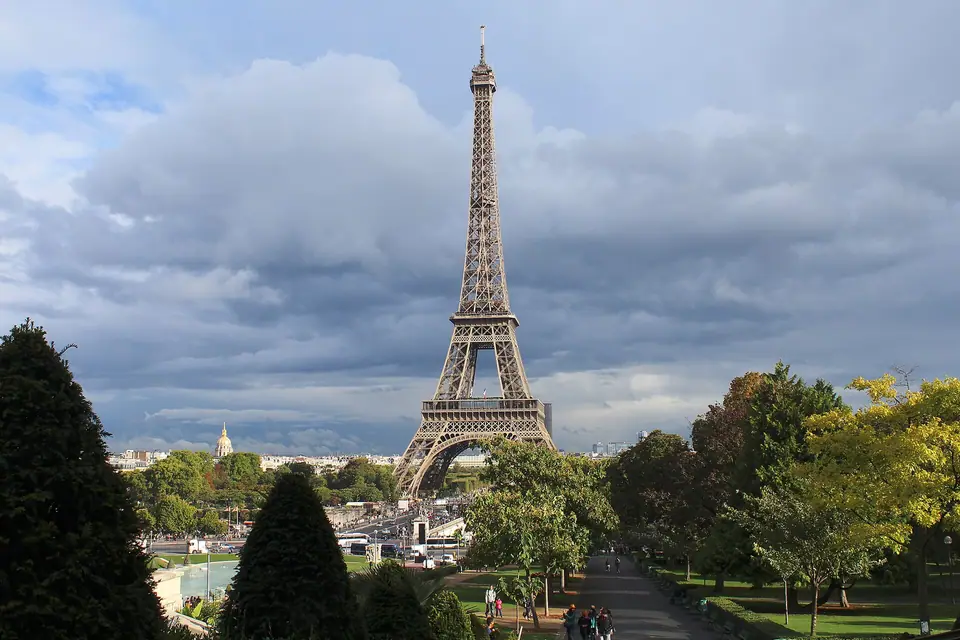
Batobus hop-on hop-off Seine boat, 24 or 48-hour pass
24 or 48-hour pass to hop on and off the boat at 9 stops, including the Eiffel Tower, the Louvre and Notre-Dame.
Guided Seine cruise by Vedettes du Pont Neuf
One-hour cruise with a live guide in English and French from the Pont Neuf, on a smaller boat with an open-air terrace.
Seine dinner cruise by Bateaux Parisiens
Two and a half hours of dinner on board with a live singer and views of the Louvre, Notre-Dame and the Eiffel Tower.
Day trips: Versailles, Giverny, Fontainebleau and Disney
1. Versailles. Closed on Mondays and requires a time slot for everyone, free visitors included (under-18s and EEA residents under 26). In 2026 the castle-only ticket no longer exists and the passport gives access to the palace, gardens and Trianon, at roughly 22 to 35 EUR depending on season and residence; the day's fare is shown on the official site. Take the RER C, about 40 to 50 minutes; allow 3 to 6 hours. An organised trip with a guide costs about 58 EUR and the full-day coach version 65 EUR.
2. Giverny. Monet's house and gardens opened in 2026 from 1 April to 1 November, 10 am to 6 pm, charging about 13 EUR for adults with under-7s free. The 2027 season dates have not been published yet: wait for the Fondation Monet calendar. A full day of Giverny and Versailles together costs around 139 EUR.
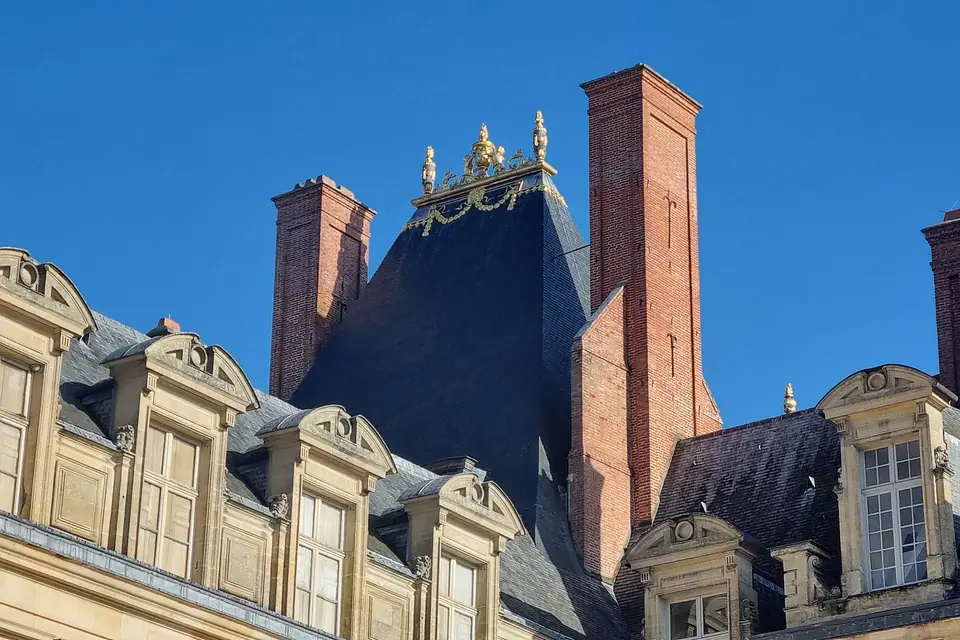
3. Fontainebleau. The château, an hour to the south, costs about 17 EUR with queue-free entry (2 to 3 hours). It combines well with Vaux-le-Vicomte on a 10-hour small-group trip.
4. Disneyland Paris. Reach it by RER A in about 40 minutes. The resort has two parks: Disneyland Park and Disney Adventure World (formerly Walt Disney Studios, renamed on 29 March 2026). A one-day, one-park ticket runs from about 48 EUR to about 140 EUR depending on the date; under-3s enter free.
5. Further afield. Coach trips of 10 to 14 hours reach Champagne, Mont-Saint-Michel and the Loire châteaux; these are very long days, and unless the trip is a short one, they are better done with a night on the spot.
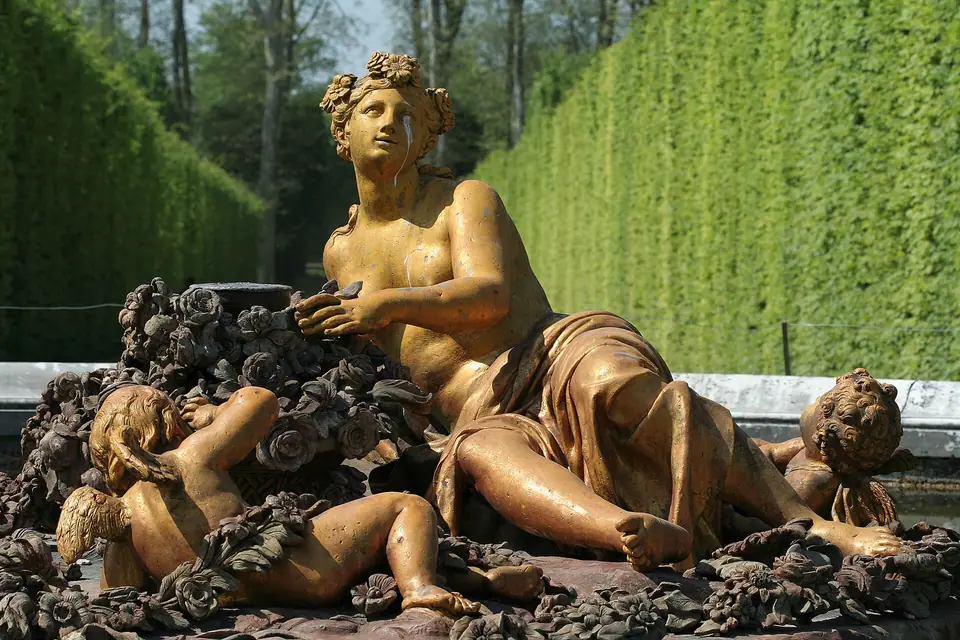
Palace of Versailles: passport ticket with gardens and Trianon
Ticket for the palace, gardens and Trianon estate with the Hameau de la Reine, 35 minutes from Paris by RER C.
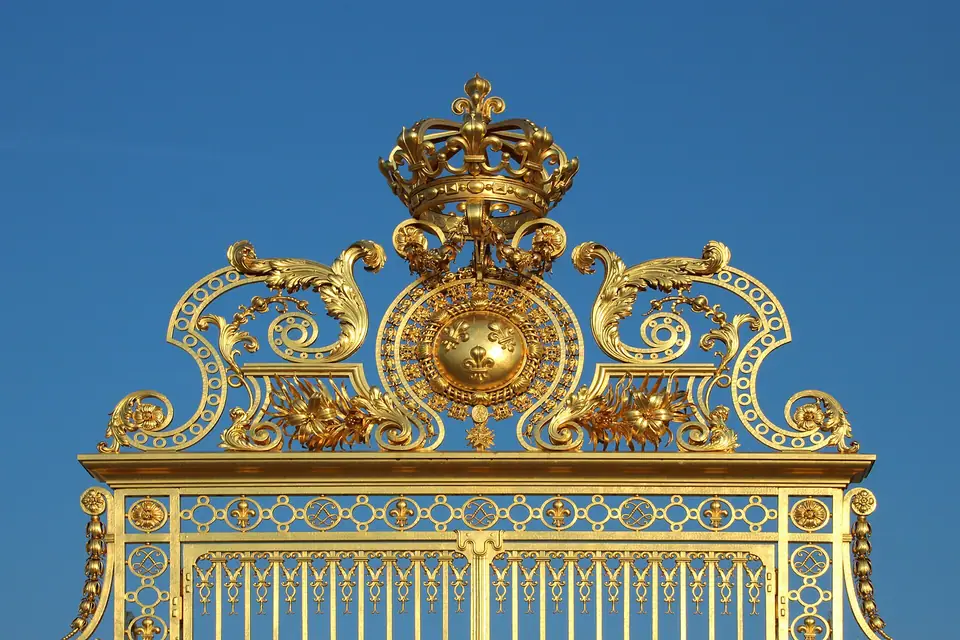
Giverny and Versailles in one day (City Wonders)
Full day by coach with Monet's house in Giverny in the morning and the Palace of Versailles after.
Château de Fontainebleau: skip-the-line ticket
Ticket to the Château de Fontainebleau, about 55 km south-east of Paris, with royal apartments and gardens.

Disneyland Paris admission (1 to 4 days)
Admission to the resort's two parks, with a one-park or two-park option for one to four days.
Champagne with 6 tastings, Reims and winery (Blue Fox Travel)
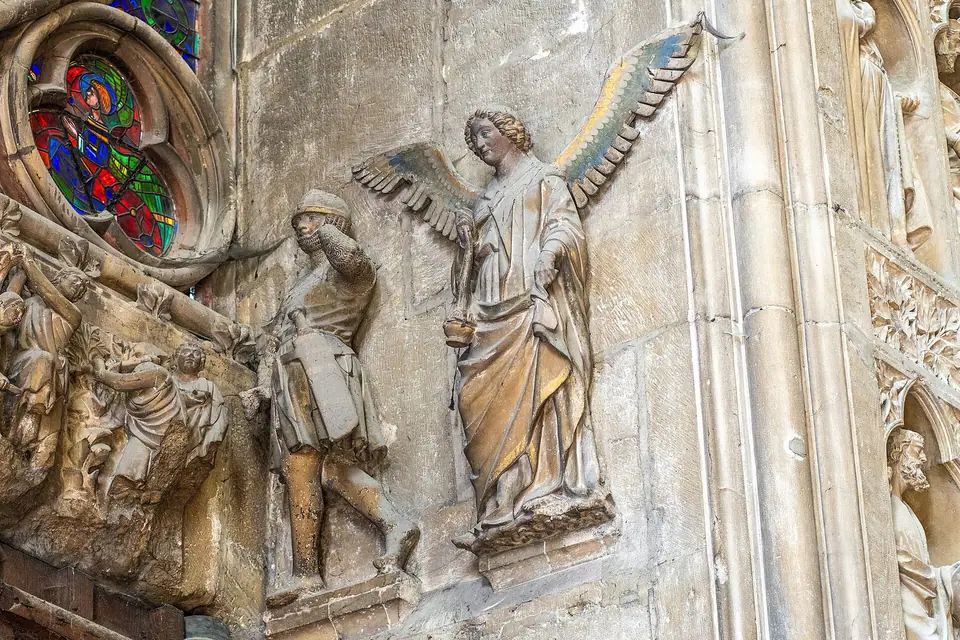
Champagne day by minibus with two wineries, Reims Cathedral and at least six tastings.
Official sources
Our own text, written from these sources as consulted up to 24 November 2026. Rules and traffic restrictions change: confirm them before you travel.
- Louvre: hours and admission
- Eiffel Tower: prices and times
- Notre-Dame de Paris: visit and booking
- Sainte-Chapelle: visit
- Arc de Triomphe: visit
- Musée d'Orsay: visit
- Musée de l'Orangerie
- Carnavalet Museum: practical information
- Petit Palais (paris.fr)
- Château de Versailles: 2026 ticketing
- Claude Monet's house and gardens, Giverny
- Palais Garnier: visits
- Musée de l'Armée: times and prices
- Paris je t'aime: tourist office
Frequently asked questions
How many days do you need to see Paris?
Three days cover Notre-Dame, the Louvre, the Eiffel Tower, Orsay and Montmartre without rushing. With two days you must choose one half (historic centre, or Eiffel and Invalides); four or five days leave room for Versailles and the Latin Quarter at a relaxed pace.
Which Paris sights are free?
Notre-Dame and the Sacré-Cœur basilica are free to enter, as are the permanent collections of the Petit Palais and the Carnavalet museum. The Louvre is free on the first Friday evening of each month after 6 pm (except July and August), and many national museums do not charge under-18s or EEA residents under 26.
Do you need to book in advance?
Yes for the Eiffel Tower, the Catacombs, the Sainte-Chapelle, the Orangerie and Versailles, which require a time slot. For the Louvre and Orsay it is recommended; Notre-Dame accepts an optional free booking. From 19 December 2026 to 4 January 2027 the Louvre requires booking from everyone.
Which museums close on which day?
The Louvre and the Orangerie close on Tuesdays; Orsay, Carnavalet, the Catacombs and Versailles close on Mondays; the Petit Palais closes on Mondays. Plan around that gap, since visits then concentrate in the museums that are open.
Is the Paris Museum Pass worth it?
It depends on pace: it gives access to more than 50 museums and monuments, but many sites still require a booked slot, and the free entry for under-18s and EEA residents under 26 gains nothing from it. Add up the tickets you will actually use before buying.
When is the best time to visit Paris?
April to June and September and October offer long days and milder weather. July and August are high season with long queues; November to March has fewer crowds but few hours of daylight, and some places, like Giverny, close for the season.
How do you get around Paris?
The centre is well covered on foot and by metro (line 1 links the Louvre, the Champs-Élysées and the Arc). For Versailles and Disneyland take the RER C and A, and Seine boats are for the view rather than quick transport.
What can you see in a single day?
One day fits Notre-Dame and the Sainte-Chapelle in the morning, one museum (Louvre or Orsay) in the early afternoon and the Eiffel Tower at sunset. Bearing in mind the Monday and Tuesday closures, pick the museum that is open.
Atlas of Paris editorial team · reviewed on 24 November 2026
More guides
- Paris cabaret shows: a comparison of show times, prices, dress code and minimum age
- Seine river cruise in Paris: which company to choose, when to go and what it costs
- Louvre tickets: €22 or €32, entry time, entrances and a three-hour visit
- Eiffel Tower tickets: lift or stairs, second floor or summit
- Day trips from Paris: how to go independently, when a tour pays off and how long each one takes
- Mont-Saint-Michel day trip from Paris: how to get there, what it costs and when to see the high tide
- Paris with kids: parks, boats, museums, Disneyland and day trips
- Paris in 3 days: an itinerary by mornings and afternoons, plus an optional fourth day
- Free things to do in Paris: what costs nothing and what is still worth booking
- Versailles from Paris: RER C, Passport ticket, gardens and what to see in a day
- What to do in Paris if it rains
- Gentle-paced plans in Paris